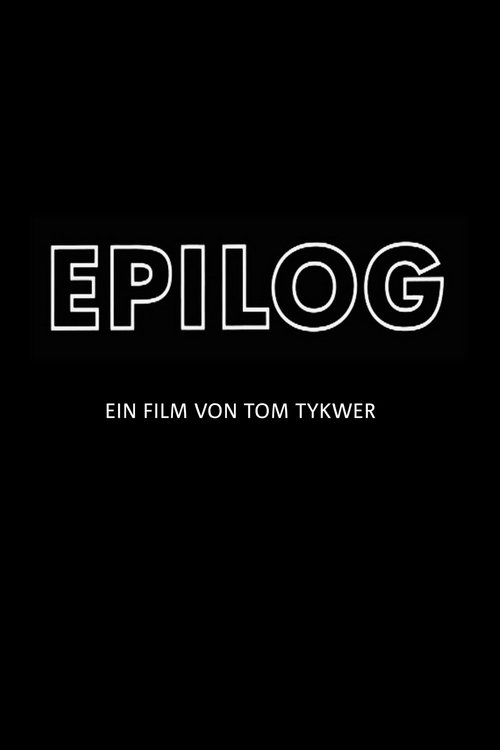
Epilog
1992
No user ratings available yet
Representation score: 3.4 out of 10
Representation Score
Good
1990
Director
Tom Tykwer
Runtime
34 minutes
Average Rating
No ratings yetNew Showbiz Analysis
Tom Tykwer’s film explores domestic instability through a structured narrative, challenging traditional gender roles. While it excels in presenting a morally ambiguous environment and avoiding traditional clichés of dominance, it falls short in representing diverse racial, LGBTQ+, and disability-related perspectives. The film's strength lies in its intellectual approach to morality and gender, using a cyclical narrative to question traditional power dynamics. However, the cast is notably homogeneous, lacking in racial and LGBTQ+ diversity. Ultimately, the work is a narrow, character-driven exploration that succeeds as a psychological experiment but fails to include diverse perspectives.
Category Breakdown
The film focuses solely on a heterosexual relationship and does not include characters with non-binary or transgender identities. It also does not address straight-centered assumptions.
The film challenges traditional gender roles by switching the roles of perpetrator and victim. This prevents either character from being consistently dominant or submissive.
The film depicts a predominantly white urban setting with no significant racial or ethnic diversity among the main characters.
The film presents a morally ambiguous environment where the truth is situationally defined. It portrays the home as a place of unpredictable psychological conflict rather than upholding institutional values.
The film does not feature characters with visible or invisible disabilities. The focus remains on the psychological tension between the two main characters.
Present on Screen
Limited or Absent
Official Synopsis
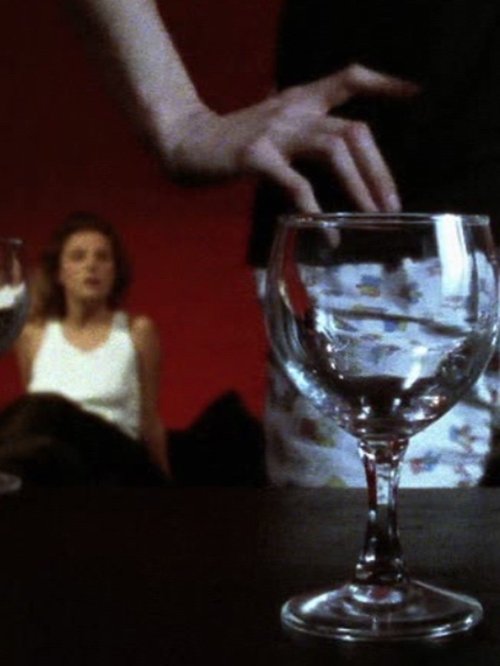
Tanja and Martin are a couple in their late twenties. They meet back at their apartment late one evening, in bed. Weren’t we supposed to meet up this evening? How come you got home so late? Where the hell were you? An argument ensues, an everyday fight between couples that unleashes an unimaginable destructive force. Three separate variations of the argument are played out. Each time the positions of culprit and victim, guilt and innocence, trust and despair are reversed.
1992
1987

1991

1995
1998

2001

1998
1998
No reviews yet. Be the first to share your thoughts on this movie!
Use the rating form above to leave a star rating and optional review.