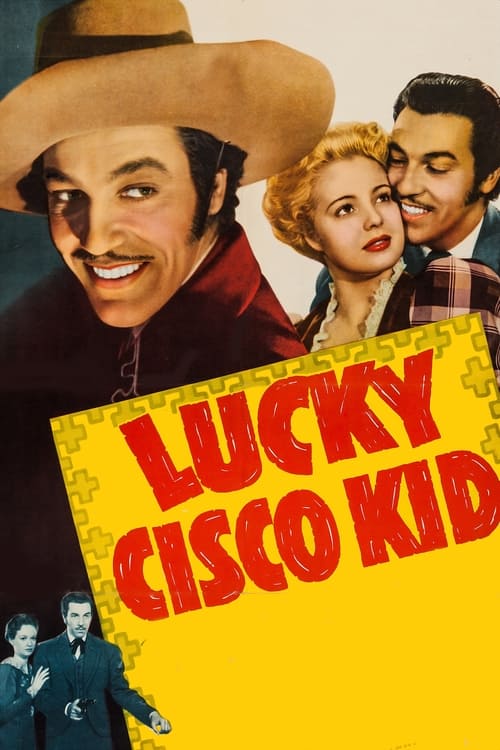
Lucky Cisco Kid
1940
No user ratings available yet
Representation score: 1.6 out of 10
Representation Score
Minimal
1940
ApprovedDirector
Joseph Kane
Runtime
59 minutes
Average Rating
No ratings yetNew Showbiz Analysis
Young Buffalo Bill is a classic Western film that reinforces traditional social and cultural hierarchies. The narrative centers on masculine ability to act, property ownership, and defending territory. The film relies on standard genre clichés to tell a story of frontier survival. It does not challenge traditional clichés or offer nuanced perspectives on identity, sticking to mid-century cinematic conventions. Overall, the film lacks complexity in representing diverse identities and cultural intersections, adhering to traditional storytelling methods.
Category Breakdown
The film follows a traditional storyline that assumes everyone is straight or cisgender. There are no representations of non-binary genders or same-sex relationships.
The story emphasizes traditional masculinity and survival skills. Male characters play a significant role in driving the plot, while female characters have less influence.
Indigenous peoples are mainly portrayed as antagonists. The film uses Spanish land grants as plot devices without delving into their cultural context.
The movie upholds traditional Western values, focusing on property rights and the development of the American frontier. It celebrates individual heroism and land ownership.
Characters with disabilities are not shown taking control of their lives. A wounded character serves a functional role in the plot without exploring disability or neurodiversity.
Present on Screen
Limited or Absent
Official Synopsis
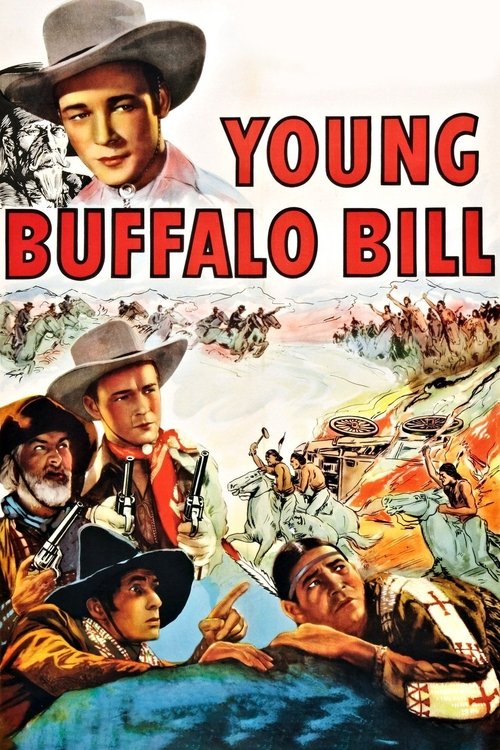
It's 1860 and the old Spanish land grants are being surveyed. Montez is after part of Don Regas' rancho and gets the surveyor to alter the boundary. But Don Regas still has the original grant written on a bandanna. Montez sends Indians after it but Bill Cody and Gabby fight them off and a wounded Gabby unknowingly ends up with the missing million dollar deed wrapped around his arm for a bandage.
1940
1969
1924
1972
1939
1971
1940
1970
No reviews yet. Be the first to share your thoughts on this movie!
Use the rating form above to leave a star rating and optional review.