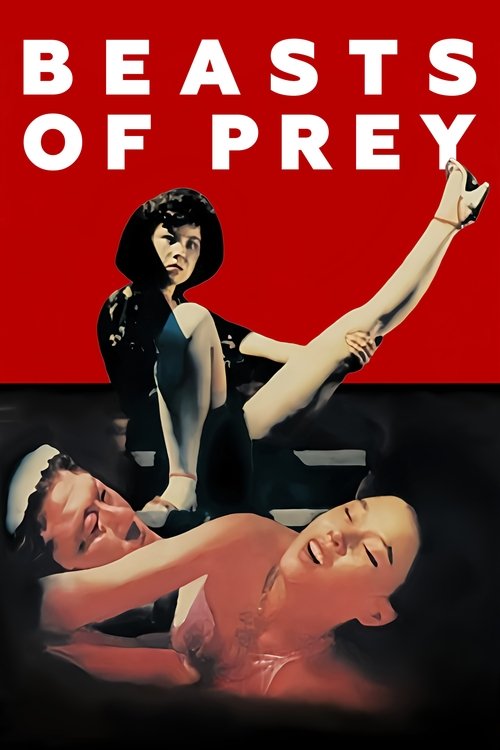
Beasts of Prey
1985
No user ratings available yet
Representation score: 5.6 out of 10

Representation Score
Excellent
1975
Director
Kim Ki-young
Runtime
95 minutes
Average Rating
No ratings yetNew Showbiz Analysis
Kim Ki-young’s *Promises* is a psychological exploration that challenges traditional hierarchies. The film stands out in its gender representation, replacing the passive female archetype with a protagonist who drives the narrative through extreme ability to act and violence. While the film offers a culturally authentic South Korean perspective, it lacks depth in its portrayal of mental health issues and does not delve into explicit queer identities. Psychological states are primarily used to fuel the plot's tension rather than to provide meaningful character studies. Ultimately, the film is a study of moral relativism. It uses its characters and unconventional settings to challenge the social norms and patriarchal structures of its time.
Category Breakdown
The film includes a butch female prison guard who challenges traditional feminine roles. However, the film does not explore her queer identity or any romantic relationships, which limits the score.
Sook-young breaks away from the passive female stereotype by becoming a central driver of chaos and violence. Women in the film frequently take control, showing significant psychological and physical influence.
Set in 1970s South Korea, the film presents a genuine local perspective. It avoids a Western-centric viewpoint by focusing on its own cultural and social context.
The story deconstructs traditional institutions using symbols such as a bizarre graveyard wedding. It explores situational ethics and class tensions rather than adhering to a single, traditional moral compass.
Psychological instability and obsession drive the thriller elements of the plot. However, these mental states serve mainly as narrative devices for tension rather than as nuanced explorations of neurodivergence.
Present on Screen
Limited or Absent
Official Synopsis
Mild-mannered and modest Sook-young looks like your usual middle-aged woman, but happens to be a man-killing murderess. On a train trip to Mokpo, she remembers an earlier trip as a prisoner on furlough accompanied by a menacing but kind butch female guard. On the train they meet Hoon, a young man who falls for Sook-young. The guard lets them be alone at a bizarre marriage in a hill-top graveyard.
1985

1969

1971

2007

2011
1972

2012

1972
No reviews yet. Be the first to share your thoughts on this movie!
Use the rating form above to leave a star rating and optional review.