Phantom Youth
2024
No user ratings available yet
Representation score: 6.4 out of 10
Representation Score
Good
2026
Director
Blerta Basholli
Runtime
101 minutes
Average Rating
No ratings yetNew Showbiz Analysis
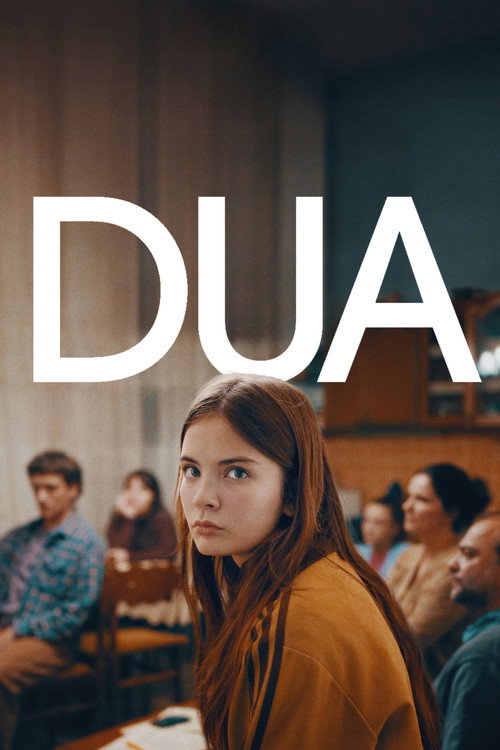
The film opens on the precarious daily life of a thirteen-year-old girl in late-1990s Prishtina, where the air is thick with the threat of war and ethnic violence. This setting immediately establishes the sold meaning: survival is a collective, gendered, and national act. Dua’s journey is not one of individual self-discovery in a vacuum, but of finding her footing within a community that is itself under siege. The camera treats her bodily changes and social anxieties with a seriousness that mirrors the political stakes, refusing to separate the personal from the political. The argument of the film is that resistance is not always loud or armed; it can be the quiet act of bonding with a fearless peer like Maki and maintaining one’s identity in the face of potential exile. This challenges the traditional war narrative that centers male combat, instead positioning female adolescence and community cohesion as the true sites of moral struggle. The film’s internal logic is consistent: the violence of the world outside is met with the resilience of the relationships inside. There is no contradiction between the billed plot of a coming-of-age story and the reality of a war drama; they are two sides of the same coin. The ending, implied by the narrative of resistance and bonding, settles on the value of community and female agency. Dua is not rescued by a male hero or a political victory, but by her own growing strength and the support of her peers. The last image is likely one of quiet determination, affirming that in the face of existential threat, the preservation of self and community is the ultimate moral victory. This is a film that loves its characters, treating their struggles with empathy and their resilience with respect. It is a clear-eyed look at a difficult time, where the ordinary acts of growing up become extraordinary feats of endurance.
Category Breakdown
The narrative tracks heterosexual peer dynamics and familial bonds within a war-torn setting. No same-sex intimacy or queer identity is depicted or discussed in the available evidence.
Dua, a thirteen-year-old girl, serves as the moral and physical center of the story. Maki is framed as a source of fearless resistance, positioning female agency as the primary mode of survival.
Set in late-1990s Prishtina, the film centers Kosovar Albanian identity against the backdrop of ethnic tension. The community’s struggle for existence and resistance to exile is the primary lens.
The film treats the threat of ethnic violence and potential exile as the central obstacle. Traditional family structures and neighborhood bonds are depicted as the stabilizing force against the chaos of war.
No characters with disabilities are identified in the cast, synopsis, or plot details. The narrative focuses on physical survival and social dynamics without addressing impairment or neurodiversity.
Present on Screen
Limited or Absent
Official Synopsis
Prishtina, Kosova, late 1990s. As war looms and ethnic tensions escalate, 13-year-old Dua struggles to find her place among her peers and within her changing body. After an incident shakes her community, she becomes a target herself and bonds with a fearless girl, Maki, who draws her toward an unexpected form of resistance. Between the daily violence and the growing threat of exile, there is little room for quiet awakenings.
2024
2021
2021
2019
2013

1988
2022
2013
No reviews yet. Be the first to share your thoughts on this movie!
Use the rating form above to leave a star rating and optional review.