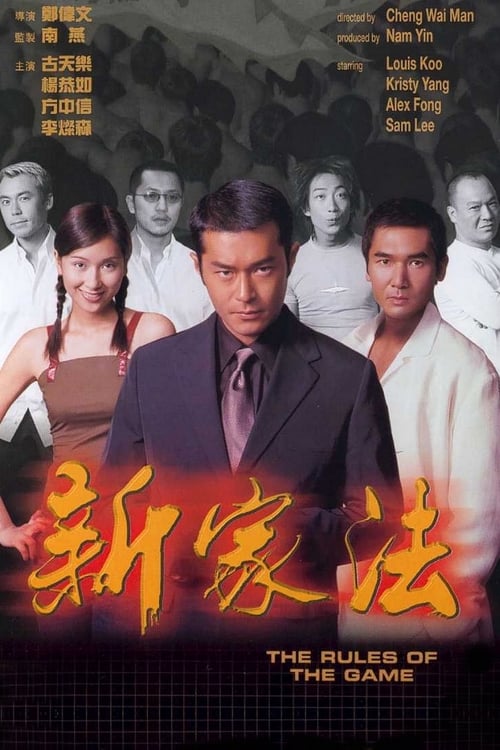
The Rules of the Game
1999
No user ratings available yet
Representation score: 4.2 out of 10

Representation Score
Limited
1996
Director
Raymond Lee Wai-Man
Runtime
96 minutes
Average Rating
No ratings yetNew Showbiz Analysis
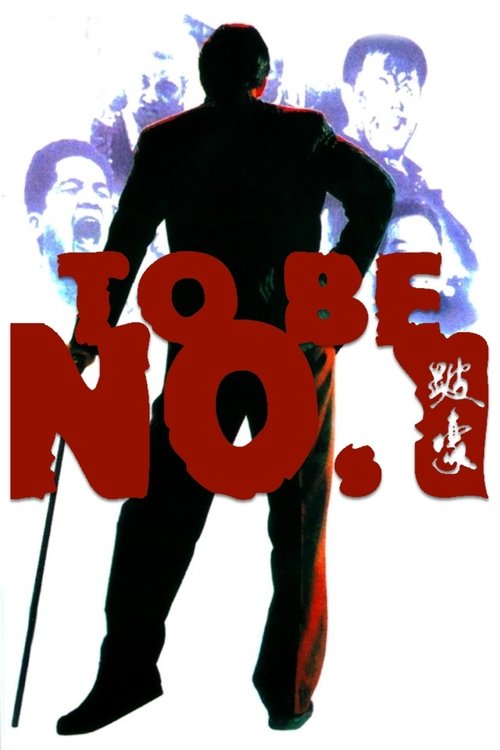
To Be No. 1 is a genre-standard crime drama centered on traditional themes of masculinity, loyalty, and romantic pursuit. The film operates within the specific socio-political landscape of Hong Kong, focusing on the struggle for ability to act within rigid criminal hierarchies. While the film provides a culturally specific lens on Hong Kong's social strata, it does not significantly challenge conventional gender hierarchies. The character dynamics and plot arcs remain rooted in the established formulas of the 1990s crime genre. Ultimately, the work functions as a study of triad subculture rather than a vehicle for diverse representation or the subversion of social norms.
Category Breakdown
The film focuses on heterosexual relationships between Fai Chuen and Apple. There are no queer narratives or non-binary gender identities represented.
The story follows a traditional masculine storyline within a patriarchal structure. Apple, while important emotionally, is mainly defined by her relationships to the men.
The film features a predominantly Cantonese cast, offering a culturally specific perspective on crime and social mobility outside of an Anglo-Saxon context.
The story explores the tension between personal impulses and criminal organizations, emphasizing traditional codes of honor and loyalty.
There is no mention of characters dealing with physical or neurodivergent disabilities.
Present on Screen
Limited or Absent
Official Synopsis
Fai Chuen is a young man who wants to rise in the triad of Hong Kong. He's tough; he's respected by his friends; he loves Apple, daughter of his boss in the small-time Hung Lok gang in Wanchai; and, he encourages the studies of Chun, the son of his mother's closest relative. When Chuen comes to the attention of Piu, a top triad boss, the Hung Lok gang is assigned a hit; Chuen commits the murder and then is frustrated when Apple's father takes the fall. Chuen's cockiness gets him in trouble again when he disobeys Piu to revenge a friend's death. Chuen, who's reached the police bulletin board's most wanted, is now expendable. Can he and Apple escape to the Mainland?
1999
1999
2000
1992
1991
1981

2012

1996
No reviews yet. Be the first to share your thoughts on this movie!
Use the rating form above to leave a star rating and optional review.