Remains to Be Seen
1989
No user ratings available yet
Representation score: 0.6 out of 10
Representation Score
Minimal
1984
Director
Schmelzdahin
Runtime
5 minutes
Average Rating
No ratings yetNew Showbiz Analysis
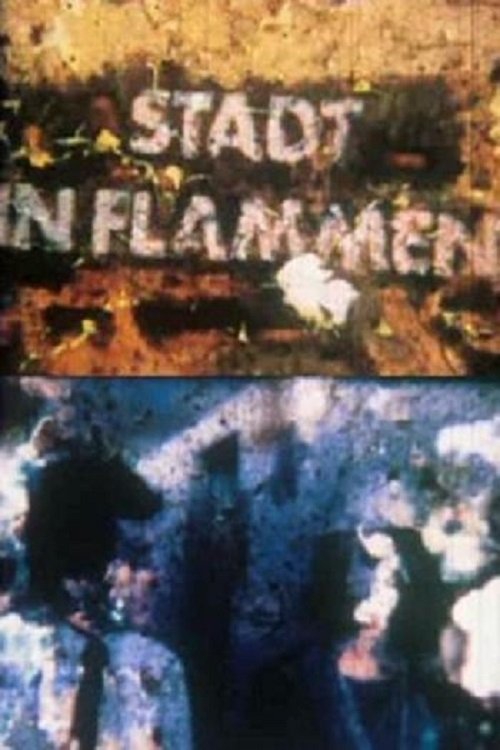
Stadt in Flammen is an experimental, process-oriented work of avant-garde cinema rather than a traditional narrative film. It focuses on the biochemical dissolution of physical film stock through burial, submersion, and thermal degradation. Because the work is a study of material decay rather than character-driven storytelling, traditional metrics of representation are largely inapplicable. The 'characters' are the biochemical processes acting upon the film itself. While the film challenges archival permanence, the absence of human subjects results in a lack of characters who reflect more than one aspect of diversity across most categories.
Category Breakdown
The film lacks identifiable characters or interpersonal dynamics. There is no evidence of LGBTQ identities or critiques of the assumption that everyone is straight or cisgender.
Traditional gender roles and hierarchies are entirely absent. The focus is on the material degradation of the film strip rather than the depiction of gendered hierarchies or roles.
The experimental nature of the project precludes a cast. There is no evidence of racial diversity or the use of metaphor to address ethnic identity.
The work aligns with avant-garde traditions that deconstruct formal structures. It implicitly challenges Western archival standards through its focus on the dissolution of the medium.
There is no evidence of characters portraying physical, neurodivergent, or mental health conditions. The film lacks human subjects entirely.
Present on Screen
Limited or Absent
Official Synopsis
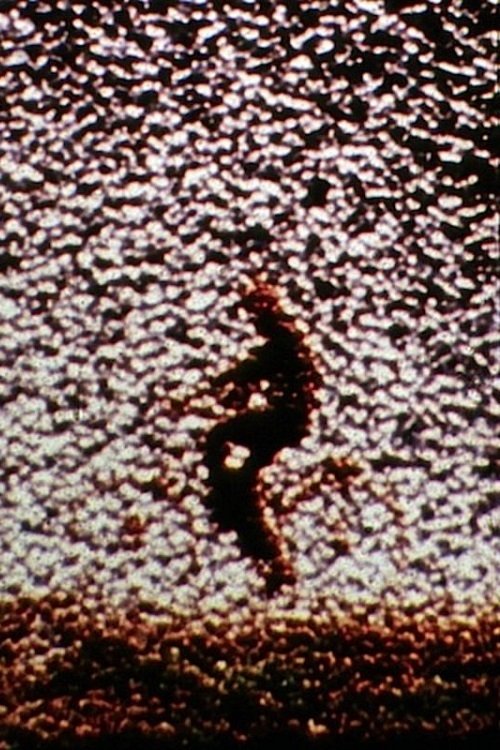
Film material is subjected to biochemical processes by burying it in the garden, storing it in a pond, or overheating it. The results of these natural processes of decay or aging are then copied back onto film and thus conserved in the state of their dissolution. - Lightcone
1989

1969

1994
1954

1970
1970

1969

1964
No reviews yet. Be the first to share your thoughts on this movie!
Use the rating form above to leave a star rating and optional review.