removed
1999
No user ratings available yet
Representation score: 4.7 out of 10
Representation Score
Fair
1994
Director
Peggy Ahwesh
Runtime
10 minutes
Average Rating
No ratings yetNew Showbiz Analysis
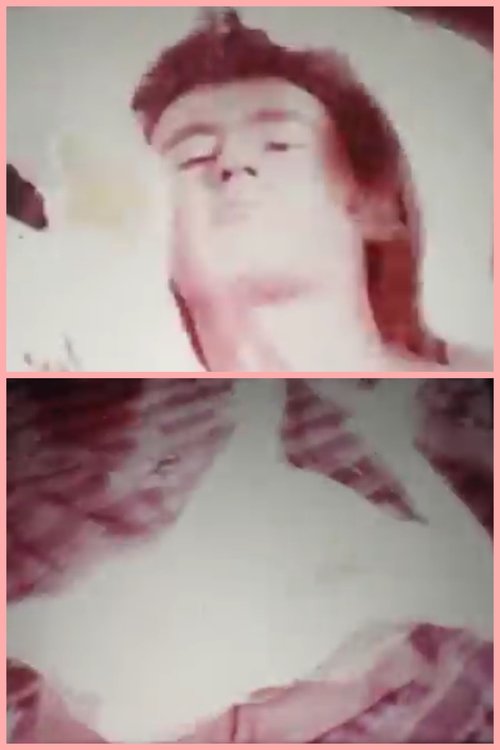
The film transforms a repetitive pornographic loop into an abstract mosaic, focusing on texture and light rather than explicit narrative. This shift turns voyeurism into a sensory exploration of bodily experience. However, the experimental nature of the optical printing process makes it challenging to identify specific racial, ethnic, or disability representations. The abstraction obscures demographic markers. Ultimately, the film's strength lies in its subversion of the male gaze, replacing traditional cinematic hierarchies with a fragmented, disarming aesthetic that challenges how viewers consume erotic imagery.
Category Breakdown
The film challenges traditional assumptions about sexuality and gender by presenting a fluid, sensory interpretation of intimacy through an abstract, non-linear format.
By using degraded images and mosaics, the film avoids typical gender stereotypes and shifts the focus away from conventional power dynamics in cinema.
The highly abstracted, experimental style of the film makes it difficult to identify specific racial or ethnic representations.
The film critiques commercialized media standards by emphasizing the deterioration and imperfections of the original film stock, embracing aesthetic relativism.
The film emphasizes sensory perception and the interplay of light, but there is no explicit portrayal of physical or neurodivergent identities.
Present on Screen
Limited or Absent
Official Synopsis
Peggy Ahwesh re-edits and optically prints a Super 8 stag loop, rarifying the degraded images into an abstract stained-glass mosaic. From a clumsy and heavy-handed pornographic film of the seventies that bad storage conditions have deteriorated over time, Peggy Ahwesh uses the alterations and the mold of the film to emphasize the sensuality of the scenes. It produces a newborn, beautiful film, powerful, erotic, and disarming at a time.
1999

1992
1964
1964
1990
1966
1971
2015
No reviews yet. Be the first to share your thoughts on this movie!
Use the rating form above to leave a star rating and optional review.