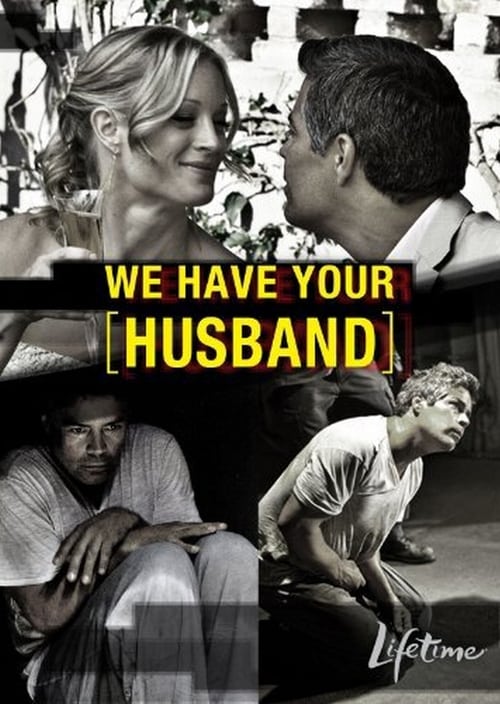
We Have Your Husband
2011
No user ratings available yet
Diversity score: 6.1 out of 10
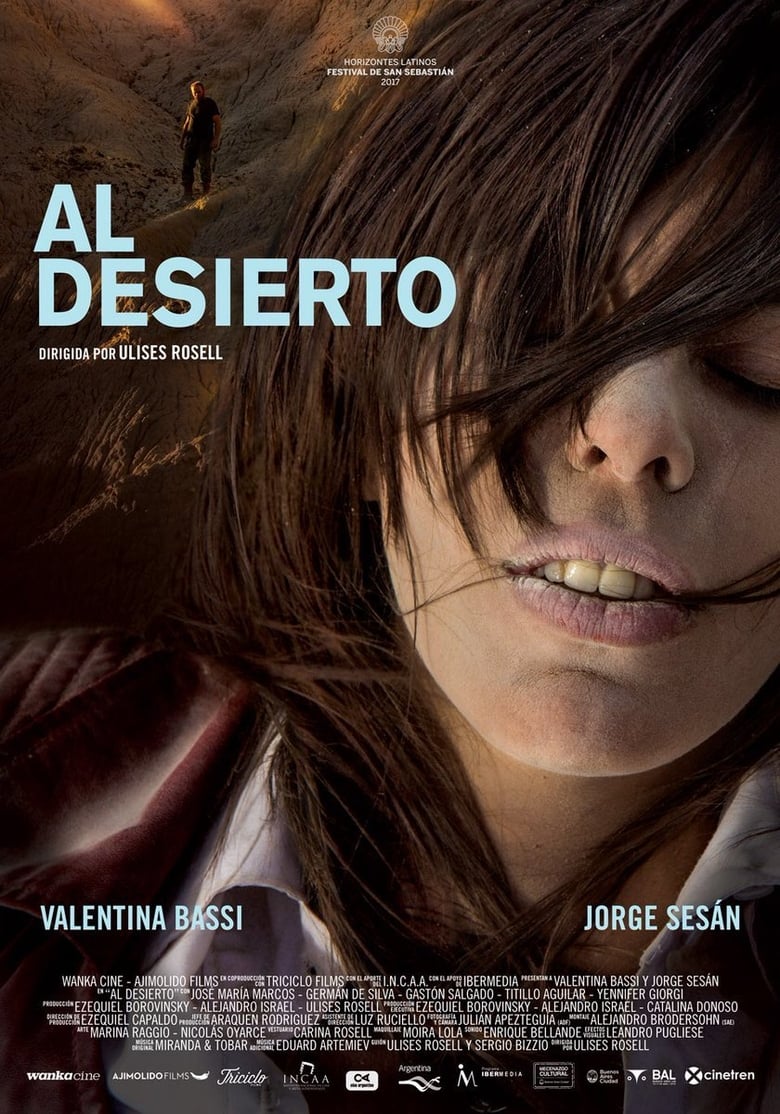
2017
Director
Ulises Rosell
Runtime
94 minutes
Average Rating
No ratings yetSynopsis
Julia works as a waitress on the night shift of the Comodoro Rivadavia casino. There, she meets Gwynfor, a customer who offers an interesting work opportunity in the oil industry. And so, what starts out as a morning appointment, résumé in hand, becomes a nightmarish journey in the middle of the arid landscape of Patagonia, a space Ulises Rosell uses with the cinematic power of a western, with the inclemency of the sun and the darkness of night ravaging the protagonists. Inspired by the stories of captive women from the 19th century,
Overall Score
Fair
Category Breakdown
LGBTQ+ Representation
The story focuses on a heteronormative interaction between Julia and Gwynfor. No queer identities or romances are present in the narrative.
Gender Representation
The film subverts Western tropes by centering on a female protagonist's survival. It explores female agency against systemic male aggression and predatory encounters.
Racial & Ethnic Diversity
Set in Argentina, the film moves away from Anglo-centric storytelling. However, it lacks specific evidence of intentional intersectional or non-white majority representation.
Religious & Cultural Diversity
The narrative critiques capitalist structures and the reliability of professional institutions. It favors a survivalist ethos over traditional social or religious orders.
Disability Representation
There is no mention of characters with physical or neurodivergent disabilities. Environmental hardships are situational rather than representative of permanent identities.
Strengths
Areas for Improvement
AI Analysis
To the Desert reclaims the Western genre by shifting the focus from masculine conquest to female endurance. By placing a woman at the center of a predatory encounter, the film challenges traditional patriarchal structures and the myth of the frontier hero. While the film offers a nuanced critique of institutional stability and gender hierarchies, it remains limited in its scope of identity. The narrative lacks representation for LGBTQ+ communities and individuals with disabilities, sticking to a more traditional character framework. Ultimately, the film succeeds as a progressive genre subversion. It uses the harsh Patagonian landscape to strip away social protections, highlighting the fragility of safety in a world governed by systemic aggression.
2011
2016
2024

2008
2018
2000
No reviews yet. Be the first to share your thoughts on this movie!
Use the rating form above to leave a star rating and optional review.