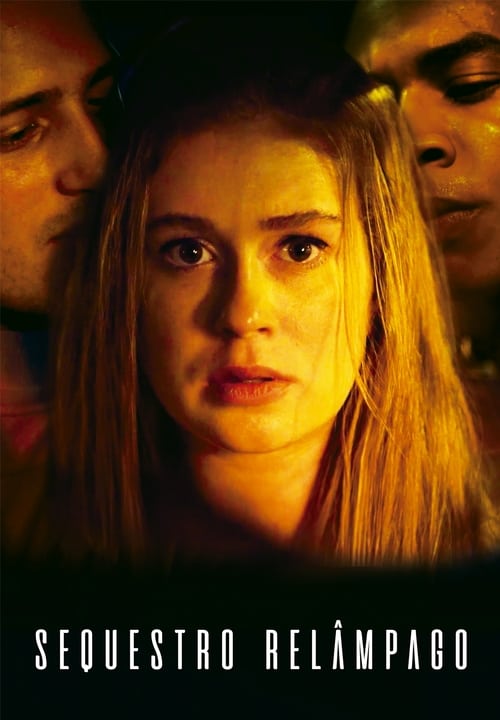
Express Kidnapping
2018
No user ratings available yet
Representation score: 2.9 out of 10

Representation Score
Excellent
2011
TV-PGDirector
Eric Bross
Runtime
89 minutes
Average Rating
No ratings yetNew Showbiz Analysis
The film stands out by shifting the focus from a traditional victimhood cliché to a study of individual ability to act. By centering the narrative on a woman's response to systemic volatility, it disrupts the 'damsel in distress' archetype. The strength of the work lies in its portrayal of a woman's transformation from a domestic setting to a position of decisive, tactical combativeness. This provides a sophisticated look at leadership under pressure. However, the narrative is primarily a high-stakes thriller focused on a specific socio-economic class, which limits the breadth of cultural and social representation explored throughout the story.
Category Breakdown
The film does not explicitly include LGBTQ+ characters or themes.
The story centers on Jayne Valseca, who is portrayed as a strategic and resilient leader rather than a passive victim. She challenges her captors and becomes a tactical leader.
The narrative explores multicultural dynamics through the marriage of an American woman and a Mexican man, highlighting the intersection of these identities in a high-stakes setting.
The film critiques systemic instability by focusing on individual survival and complex morality in the face of kidnapping as a pervasive regional force.
Physical trauma from torture and starvation is part of the plot, but it is unclear if disability is a central theme.
Present on Screen
Limited or Absent
Official Synopsis
American-born Jayne Valseca, her husband Eduardo, the son of a legendary Mexican newspaper publisher, and their two children live an idyllic life on their 1,000 acre ranch outside of a peaceful Mexico town. But in the summer of 2007, their peaceful life is turned into a real-life nightmare when Eduardo is ambushed and kidnapped by strangers. With kidnapping becoming a pervasive and lucrative business in Mexico, Jayne is at the mercy of the kidnappers when they demand millions for the husband's safe release. She's pushed to the limit to do everything she possibly can to raise the money necessary to bring Eduardo back alive. As Eduardo is starved and tortured, he looses hope of ever seeing his family again but despite the dire and bleak times, Jayne refuses to give up and decides to turn the tables on the kidnappers and makes demands of her own. The film is based on a true story from the book, We Have Your Husband: One Woman's Terrifying Story of a Kidnapping in Mexico.
2018

2013

2005

1991
1976

2013

2015

2015
No reviews yet. Be the first to share your thoughts on this movie!
Use the rating form above to leave a star rating and optional review.