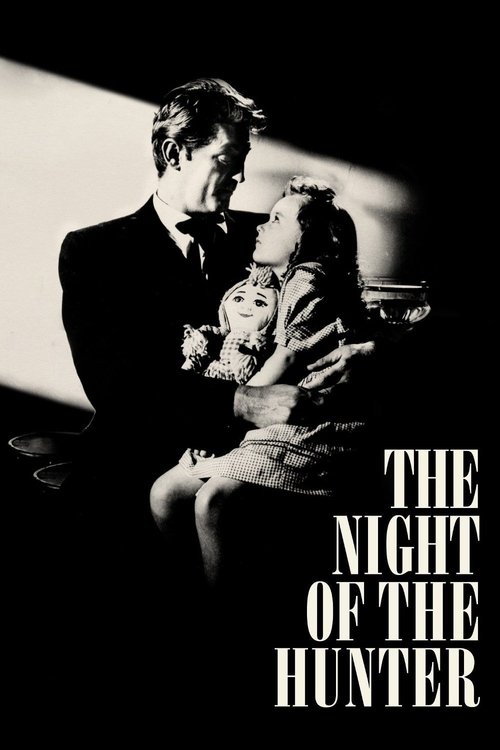
The Night of the Hunter
1955
No user ratings available yet
Representation score: 3.1 out of 10
Representation Score
Minimal
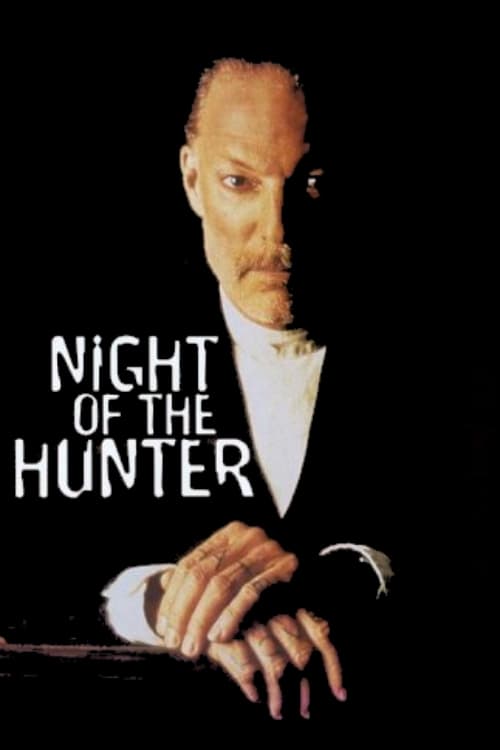
1991
Director
David Greene
Runtime
100 minutes
Average Rating
No ratings yetNew Showbiz Analysis
This remake functions as a traditional thriller, relying heavily on established suspense and domestic tragedy clichés. While it offers a sharp critique of religious hypocrisy through its antagonist, the film remains anchored in conventional social structures. The story lacks broad diversity and focuses on a narrow, straight-centered view of family and morality. Power dynamics are driven by male dominance and the pursuit of wealth, leaving little room for diverse perspectives. Ultimately, the film operates within a morality play structure, emphasizing the predator-versus-innocent dynamic over any meaningful subversion of social hierarchies or expanded representation.
Category Breakdown
There are no LGBTQ narratives or non-straight characters in this version of the story. The film focuses on a broken family unit without addressing any LGBTQ issues.
Female characters are primarily defined by their roles as victims and their eventual deaths. The narrative uses the mother figure to advance the plot rather than empower her.
The film follows a traditional casting model with mostly Anglo-Saxon actors. There is no indication of a diverse cast or broad cultural representation.
The story criticizes religious institutions by depicting a false preacher as a dangerous predator. However, the critique focuses on individual villainy rather than broader systemic issues.
No characters with physical or mental health conditions are shown taking an active role in the story. The antagonist’s behavior is framed as predatory rather than exploring mental health issues.
Present on Screen
Limited or Absent
Official Synopsis
A false preacher ingratiates himself with a dead man's family to find where he hid the money from a robbery.
1955
1997
1998

1973

2005
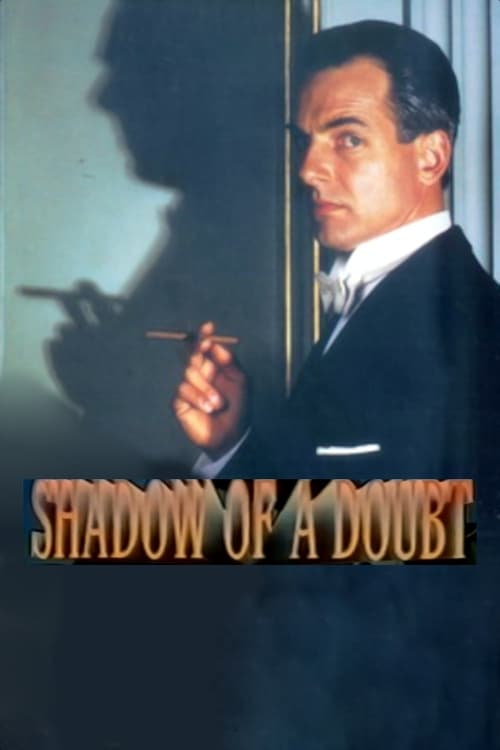
1991
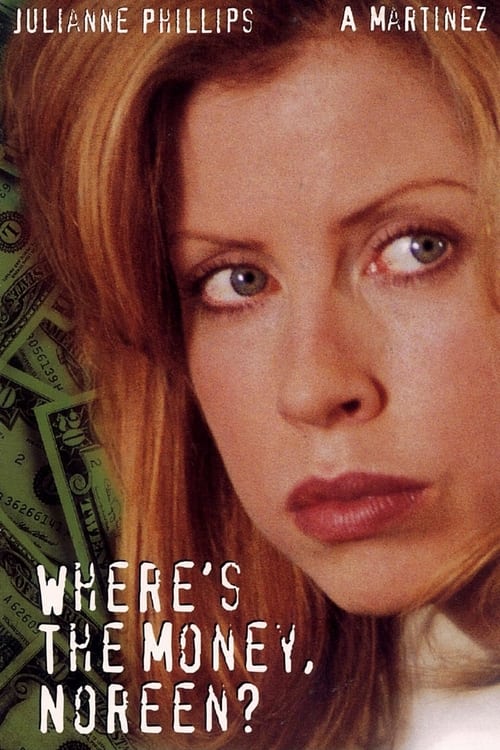
1995
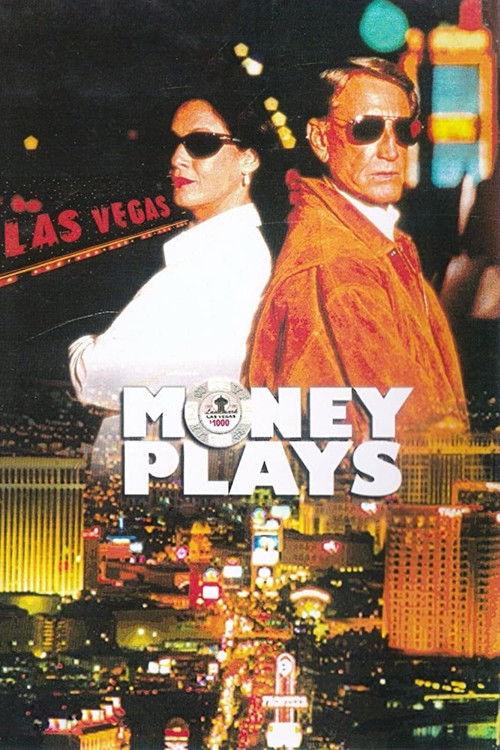
1998
No reviews yet. Be the first to share your thoughts on this movie!
Use the rating form above to leave a star rating and optional review.