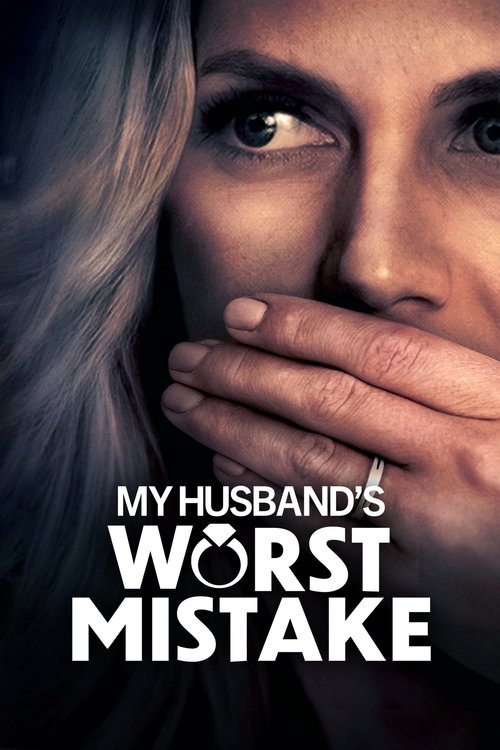
My Husband's Worst Mistake
2023
No user ratings available yet
Diversity score: 2.1 out of 10

1994
Director
Robert Michael Lewis
Runtime
90 minutes
Average Rating
No ratings yetSynopsis
After Jane's first marriage collapses, she and her new husband Patrick Brody attempt to build a new life and move to a new state. However, her ex-husband follows them with a view to revenge.
Overall Score
Limited
Category Breakdown
LGBTQ+ Representation
The film focuses on a heterosexual marital transition between Jane and Patrick Brody. There is no evidence of non-cisnormative identities or same-sex intimacy.
Gender Representation
Jane serves as the central protagonist navigating a collapsed marriage. However, the conflict is driven by a male threat, positioning the female lead within traditional thriller tropes of domestic peril.
Racial & Ethnic Diversity
The available information provides no details regarding the racial or ethnic composition of the cast. Consequently, the diversity of the characters' backgrounds cannot be determined.
Religious & Cultural Diversity
The story utilizes conventional Western narrative tropes centered on marital stability. It lacks a critique of Western institutions or the promotion of diverse social ideologies.
Disability Representation
There is no mention of characters with visible or invisible disabilities. The narrative does not address neurodivergence or chronic health conditions.
Strengths
Areas for Improvement
AI Analysis
Don't Talk to Strangers operates as a standard mid-90s domestic thriller. The plot prioritizes suspense and individual conflict over the exploration of intersectional identities or the deconstruction of social hierarchies. While the film provides a central female perspective, it adheres to established genre expectations. The narrative focuses on personal safety and domestic instability rather than disrupting traditional social norms. Ultimately, the film lacks intentionality regarding diverse representation, functioning instead as a conventional crime drama centered on a singular, heteronormative conflict.
2023

2006

2010

1995
1990
No reviews yet. Be the first to share your thoughts on this movie!
Use the rating form above to leave a star rating and optional review.