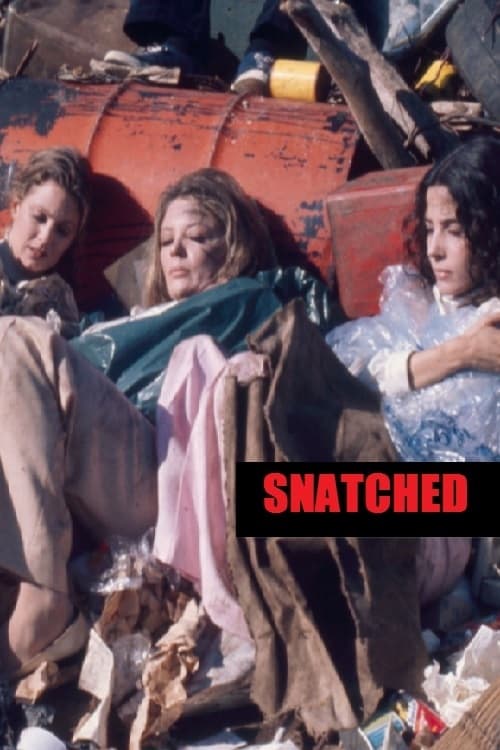
Snatched
1973
No user ratings available yet
Representation score: 3.9 out of 10

Representation Score
Limited
1973
Director
Boris Sagal
Runtime
75 minutes
Average Rating
No ratings yetNew Showbiz Analysis
Deliver Us from Evil functions as a traditional psychological thriller that emphasizes established social and religious hierarchies. The film relies on conventional gender roles and a homogeneous cast, offering limited complexity or systemic challenges. The narrative focuses on the conflict between institutional authority and individual crisis. While it explores moral ambiguity and the struggle to maintain faith, it does so without questioning the underlying structures of the institutions it portrays. Ultimately, the film reflects the era's cinematic norms, favoring traditionalist conflict over progressive representation or diverse perspectives.
Category Breakdown
The film does not include any LGBTQ+ characters or explore non-straight identities. Relationships are portrayed through traditional social structures.
The story reinforces patriarchal structures by making the female protagonist vulnerable and dependent on male authority figures, such as priests.
The cast is predominantly white, reflecting the era's typical casting practices without diversifying the representation.
The storyline delves into the tension between modern science and religious beliefs through the lens of a spiritual crisis within the Catholic Church.
The film addresses mental health and neurodivergence through the controversial concept of demonic possession, which may oversimplify psychological issues.
Present on Screen
Limited or Absent
Official Synopsis
Several men hiking in the mountains discover an injured skyjacker who parachuted from a plane with $600,000. They kill him, then start fighting each other over the money.
1973

1977
1998
1972
1984

1972

1975

1973
No reviews yet. Be the first to share your thoughts on this movie!
Use the rating form above to leave a star rating and optional review.