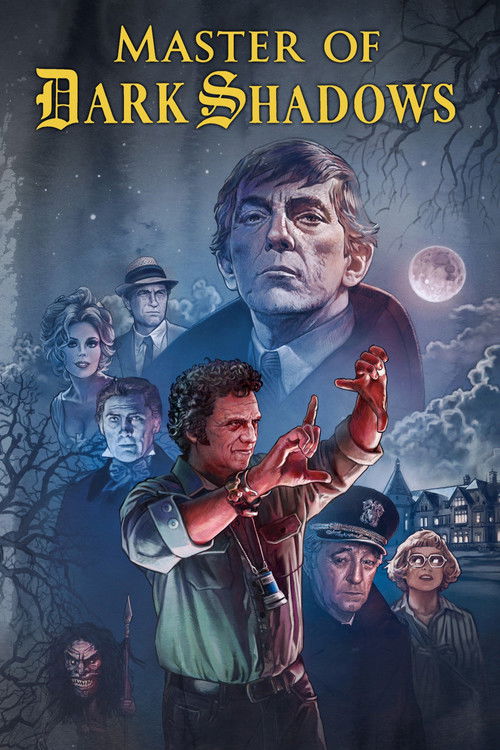
Master of Dark Shadows
2019
No user ratings available yet
Diversity score: 3.7 out of 10
No Poster Available
1998
Director
Bret Wood
Runtime
70 minutes
Average Rating
No ratings yetSynopsis
Narrated by Rod Steiger, this documentary examines the frightful conventions from which the modern-day horror movie has evolved, featuring clips from classics like Dante's Inferno and Leaves from Satan's Book.
Overall Score
Fair
Category Breakdown
LGBTQ+ Representation
The film focuses on the historical and literary evolution of horror conventions. There are no visible LGBTQ+ character arcs or narratives that critique heteronormativity.
Gender Representation
The narrative centers on classical literary and cinematic history. It lacks any indication of subverting traditional gender hierarchies or exploring gendered power dynamics.
Racial & Ethnic Diversity
The subject matter relies heavily on Western, Eurocentric literary traditions. There is no evidence of a diverse cast or the use of non-Western metaphors.
Religious & Cultural Diversity
The film explores horror through a lens of classical morality and religious imagery. It functions as a traditionalist study of Western cultural history.
Disability Representation
There is no evidence that neurodivergence, physical disabilities, or mental health conditions serve as central thematic devices in this documentary.
Strengths
Areas for Improvement
AI Analysis
Kingdom of Shadows serves as a traditionalist academic survey of Western horror origins. By focusing on classical works like Dante's Inferno, the documentary prioritizes established historical tropes over modern intersectional storytelling. The film's reliance on Eurocentric literary traditions and religious imagery creates a narrow cultural scope. It lacks the systemic deconstruction or diverse perspectives necessary to move beyond a standard historical examination. Ultimately, the documentary functions as a study of established cultural archetypes rather than a platform for progressive or diverse narrative exploration.
2019

2020
2024
2000
1999
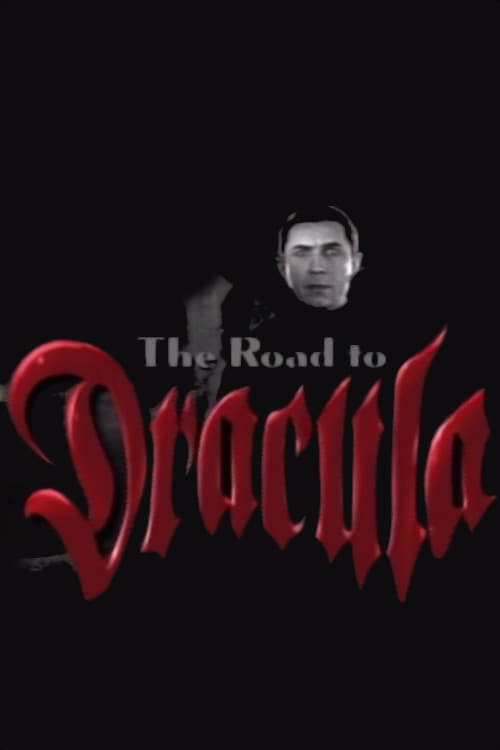
1999

2002
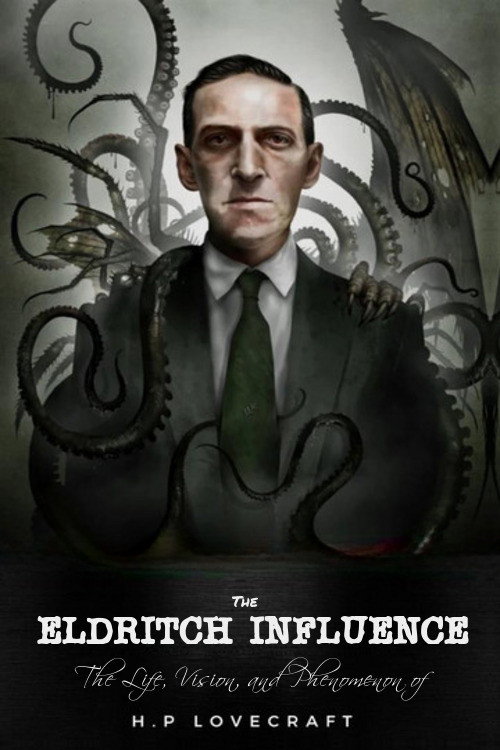
2003

2009

2011
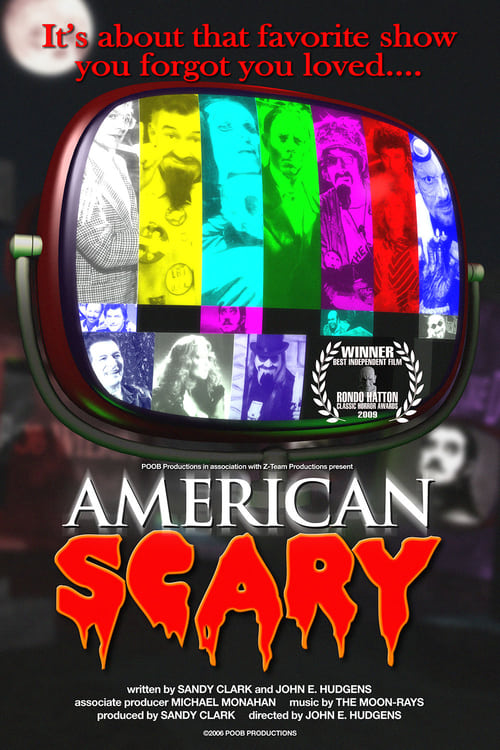
2006
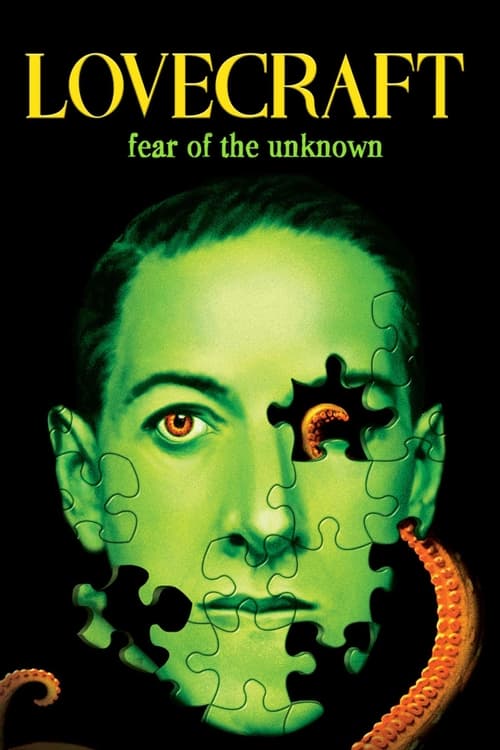
2008
No reviews yet. Be the first to share your thoughts on this movie!
Use the rating form above to leave a star rating and optional review.