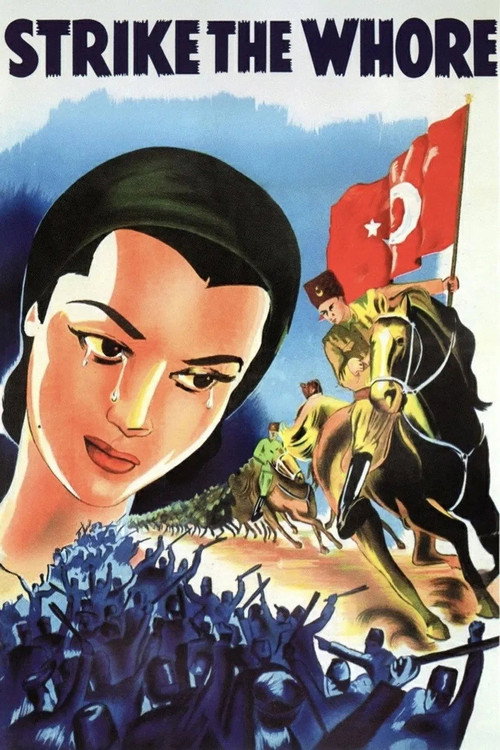
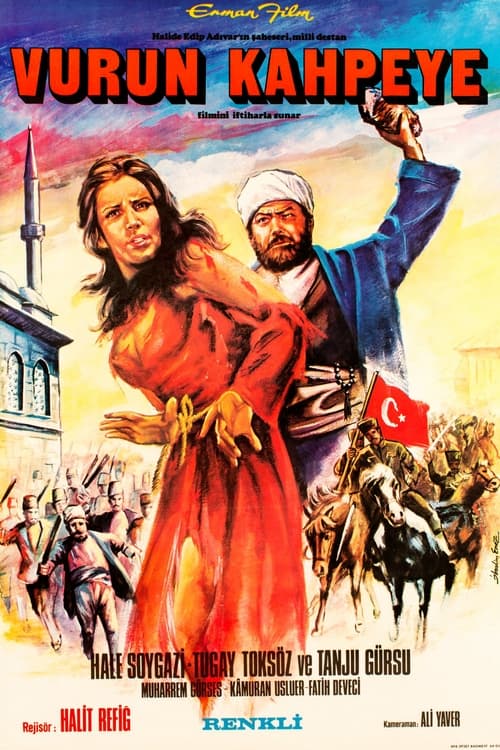
Vurun Kahpeye
1949
No user ratings available yet
Representation score: 6.8 out of 10
Representation Score
Fair
1973
Director
Halit Refiğ
Runtime
88 minutes
Average Rating
No ratings yetNew Showbiz Analysis
Halit Refiğ’s drama offers a focused look at Turkish national identity through the lens of the Anatolian struggle. The film succeeds in elevating a female protagonist to a position of intellectual authority, challenging the rigid social hierarchies of its rural setting. However, the work remains deeply insular. While it provides a strong critique of Western-centric modernization, it lacks broader diversity. The narrative is confined to specific national and historical contexts, offering little representation of queer identities or diverse racial groups. Ultimately, the film is a study of regional sovereignty and gendered ability to act within a specific cultural moment, rather than a broad exploration of diverse identities.
Category Breakdown
The film adheres to traditional 1970s social norms. There are no queer narratives or non-straight identities present in the story.
Aliye, an idealistic teacher, serves as a central protagonist. Her role as an intellectual catalyst in a patriarchal setting provides significant women's ability to drive the story.
The production focuses on localized Turkish regional identity. It lacks the blending of different racial backgrounds found in more modern, globalized cinematic works.
The narrative prioritizes local sovereignty and communal values over Western modernization. It explores the tension between traditional Anatolian values and encroaching Western influence.
There is no documented evidence of characters with visible or invisible disabilities playing a central role in the narrative.
Present on Screen
Limited or Absent
Official Synopsis
In Romania, the idealistic Istanbul teacher, Aliye, communicate activities to a town in Anatolia supporting the idea of National Struggle in the region.
1949
1982

1973

1965
2015
1992
1993

1984
No reviews yet. Be the first to share your thoughts on this movie!
Use the rating form above to leave a star rating and optional review.