
Willkommen bei den Honeckers
2017
No user ratings available yet
Representation score: 3.8 out of 10
No Poster Available
Representation Score
Limited
1980
Director
Niklaus Schilling
Runtime
119 minutes
Average Rating
No ratings yetNew Showbiz Analysis
Der Willi-Busch-Report is a period-specific satire that prioritizes systemic critique over demographic variety. The narrative focuses on the tension between individual ability to act and socio-political boundaries in the German border region. While the film lacks modern markers like LGBTQ+ or racial diversity, it offers a sophisticated deconstruction of institutional authority. It explores how truth is manufactured and manipulated within a divided political landscape. Ultimately, the work functions as a study of moral relativism and media ethics rather than a showcase for diverse identity representation.
Category Breakdown
The film does not include any explicit LGBTQ+ characters or stories. It focuses more on regional and political tensions than on LGBTQ+ issues.
The story centers around the male protagonist's struggle with authority. Women are shown mostly as symbolic devices or archetypes rather than independent characters.
The cast and setting reflect the demographic uniformity of the 1980 German border region. There is no indication of racial diversity or non-white casting.
The film excels at critiquing traditional institutions and the sanctity of official records. It uses satire to challenge the stability of local media and political structures.
There is no evidence of the portrayal of physical or neurodivergent disabilities.
Present on Screen
Limited or Absent
Official Synopsis
Life on the border to the GDR is as dreary as the "Werra-Post". To increase circulation, Willi Busch, reporter and heir to the local paper, takes action: sometimes he demolishes telephone boxes, sometimes he fantasizes a child into a prophetess who talks to sheep. Only when he fakes a dead man's past as an informer does Willi's paper corpses suddenly become real...
2017
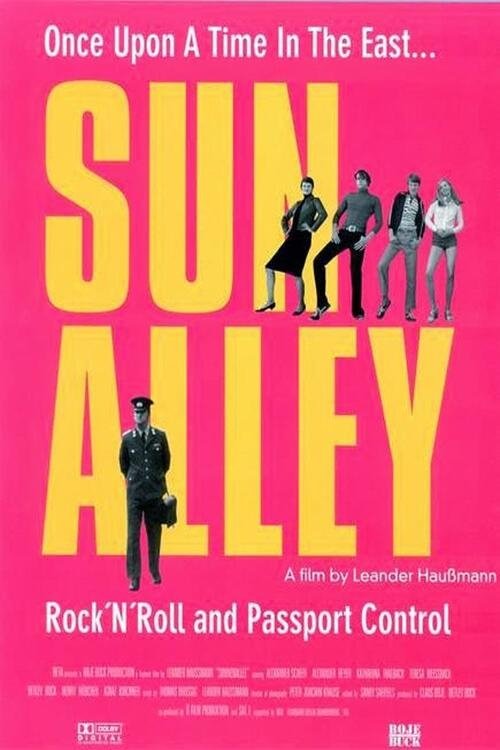
1999

2014

2018
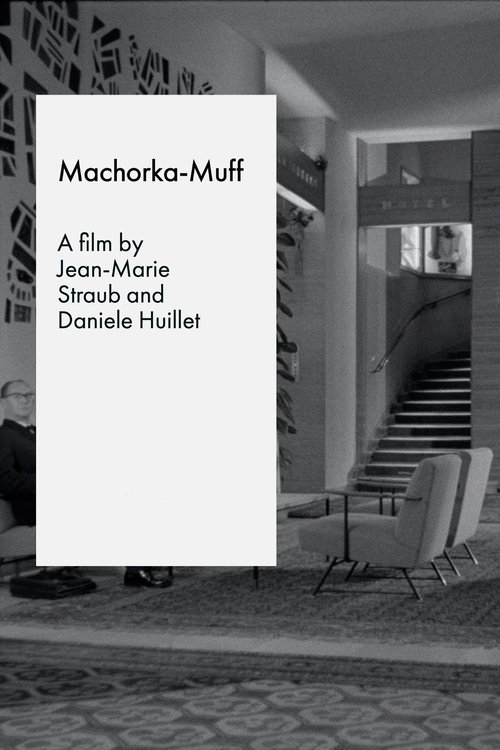
1963

2015
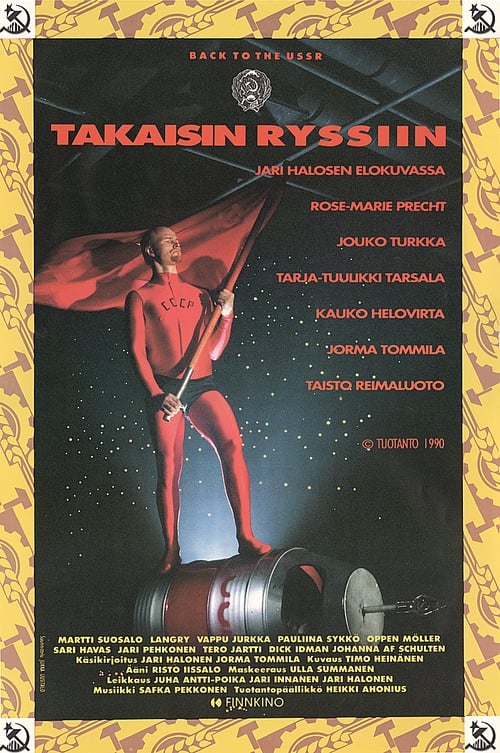
1992
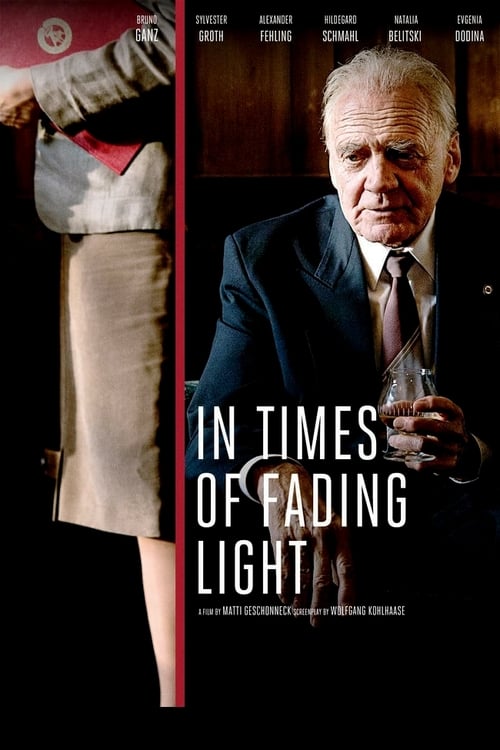
2017
No reviews yet. Be the first to share your thoughts on this movie!
Use the rating form above to leave a star rating and optional review.