
Alexandria, Private
2005
No user ratings available yet
Representation score: 6.2 out of 10
Representation Score
Fair
2014
Director
Tarik Saleh
Runtime
92 minutes
Average Rating
No ratings yetNew Showbiz Analysis
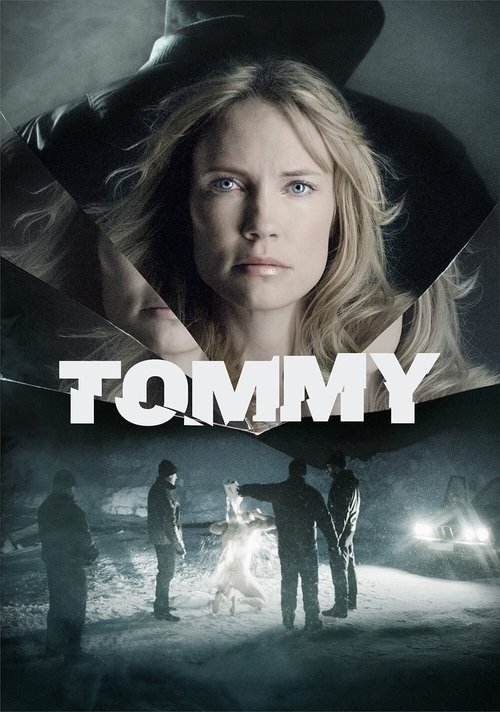
Tommy is a gritty, realist crime thriller that succeeds in its authentic portrayal of a multicultural Sweden. By centering characters of immigrant descent, the film avoids the homogeneous clichés often found in Nordic cinema, offering a vital look at the diaspora experience in Malmö. However, the film's narrow focus on hyper-masculine gang dynamics results in very low representation for LGBTQ+ individuals and characters with disabilities. Gender roles are heavily constrained by the patriarchal structures of the criminal underworld, limiting the scope of women's ability to drive the story. Ultimately, the film is a powerful systemic critique of the state, but its narrow thematic lens limits its overall diversity profile.
Category Breakdown
The film lacks representation of LGBTQ+ characters and focuses on the hyper-masculine environments of gang dynamics and urban survival.
Gender roles in the film are defined by the rigid, patriarchal hierarchies of gang culture. Estelle, a central character, operates within these power structures without challenging them.
The film authentically reflects Malmö’s multiculturalism by focusing on characters of Middle Eastern or North African descent. It avoids the homogeneous storytelling often seen in Nordic cinema.
The narrative critiques Western institutions and the Swedish social welfare model, portraying state authority as ineffective and highlighting the struggles of underrepresented communities.
The film does not prioritize characters with visible or invisible disabilities. Its focus is on socioeconomic and systemic issues rather than disability-centric themes.
Present on Screen
Limited or Absent
Official Synopsis
After a year abroad Estelle returns home to collect her husband's share of the loot from a major robbery.
2005
2008
2014
2013

2016

2013

2017

2009
No reviews yet. Be the first to share your thoughts on this movie!
Use the rating form above to leave a star rating and optional review.