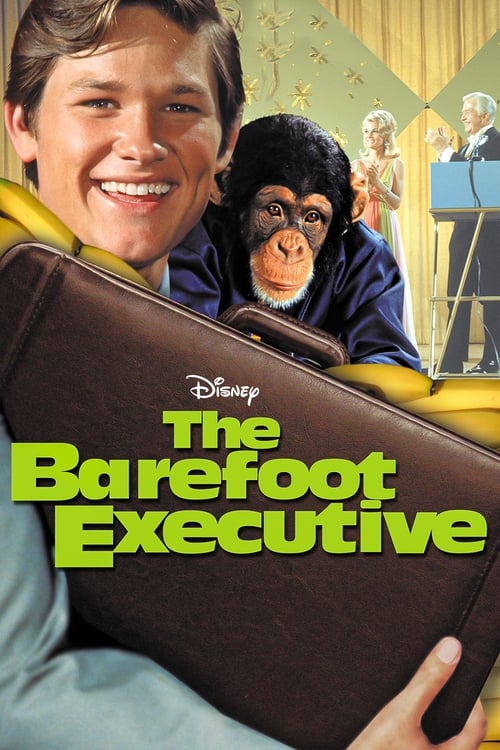
The Barefoot Executive
1971
No user ratings available yet
Diversity score: 2.4 out of 10
1972
GDirector
Robert Butler
Runtime
88 minutes
Average Rating
No ratings yetSynopsis
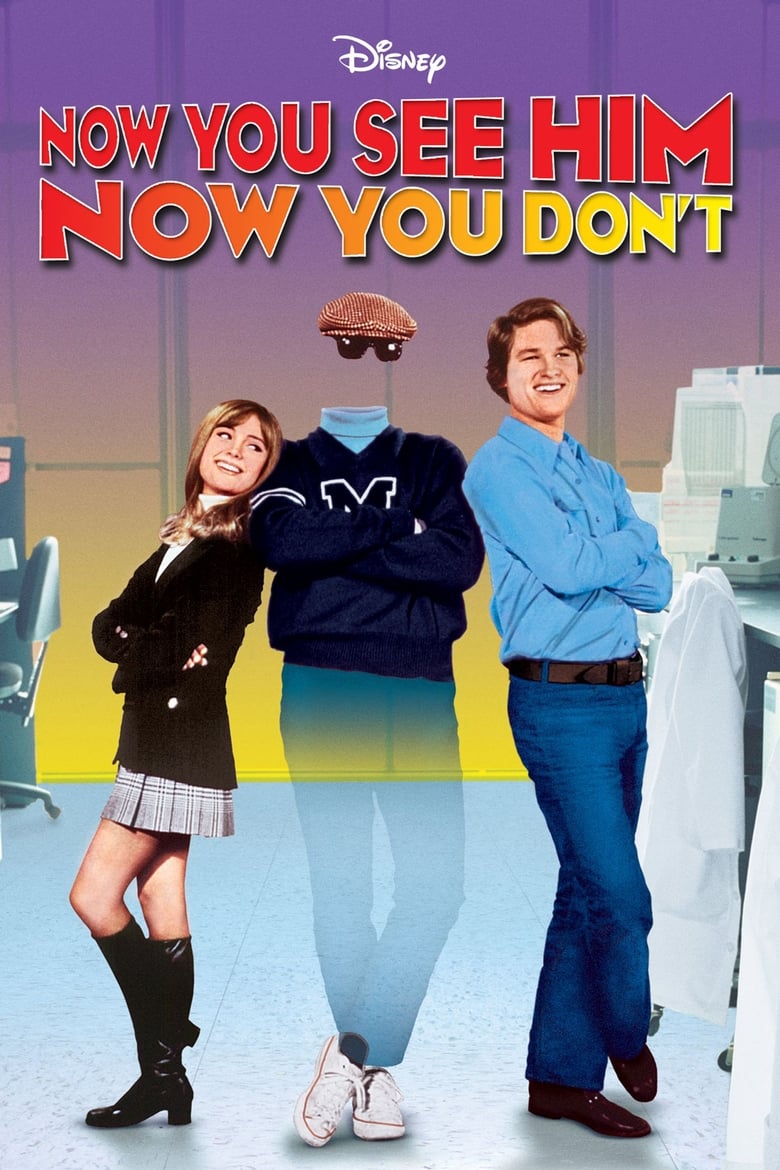
Dexter Riley is a science student at Medfield College who inadvertently invents a liquid capable of rendering objects and people invisible. Before Dexter and his friends, Debbie and Richard Schuyler, can even enjoy their spectacular discovery, corrupt businessman A.J. Arno plots to get his greedy hands on it. Slapstick hijinks ensue as Dexter and his pals try to thwart the evil Arno before he can use the invisibility spray to rob a bank.
Overall Score
Limited
Category Breakdown
LGBTQ+ Representation
The film operates within a heteronormative framework. The central social triad suggests traditional romantic dynamics without any evidence of non-cisnormative identities.
Gender Representation
Gender roles follow 1970s conventions. While Debbie is part of the core group, scientific agency and plot resolution are driven primarily by the male protagonist.
Racial & Ethnic Diversity
The collegiate setting lacks mention of a diverse cast. The narrative appears to rely on the homogeneous casting standards typical of 1972 mainstream comedies.
Religious & Cultural Diversity
The story reinforces traditional Western values and moral binaries. It celebrates scientific progress and social stability rather than critiquing established institutions.
Disability Representation
There is no evidence of characters with physical or neurodivergent disabilities. The narrative focuses on the scientific discovery and its comedic consequences.
Strengths
Areas for Improvement
AI Analysis
Now You See Him, Now You Don't is a genre-specific comedy that prioritizes slapstick hijinks and moral clarity over identity exploration. The narrative follows a traditional 'mad scientist' trope, centering intellectual agency in a male protagonist to resolve a conflict against a greedy antagonist. The film adheres to the social and narrative conventions of the early 1970s. It functions as a morality play regarding individual greed versus student ingenuity, rather than offering any systemic or institutional critique. Ultimately, the work lacks representation across most marginalized categories, reflecting the mainstream studio standards of its era.
1971
2007
1971
2014

1962
2013
1971
1975

1999

2012

1976
1963
No reviews yet. Be the first to share your thoughts on this movie!
Use the rating form above to leave a star rating and optional review.