Hoovey
2015
No user ratings available yet
Representation score: 1.8 out of 10
Representation Score
Minimal
2016
PGDirector
David Hunt
Runtime
130 minutes
Average Rating
No ratings yetNew Showbiz Analysis
Greater is a traditional biographical sports drama that emphasizes historical accuracy and traditional social structures. The story is centered on masculine achievement and the discipline of professional sports. While the film avoids actively stereotyping, it remains tied to traditional gender roles and authority structures. Female characters have limited influence, and there is no representation of non-traditional gender identities. The film's main contribution to progressive themes comes from its depiction of racial diversity through the West Indian cricket team, adding a layer of post-colonial complexity to an otherwise traditionalist biopic.
Category Breakdown
The film strictly follows mid-20th-century social norms and does not include non-traditional gender identities or narratives that question the assumption that everyone is straight or cisgender.
The story focuses on a male-dominated sporting world where women mainly serve as wives or partners, supporting traditional gender roles and family structures.
The film includes meaningful representation through the inclusion of the West Indian cricket team, which explores post-colonial dynamics and cultural exchange between different nations.
The film highlights traditional values such as sportsmanship and discipline, aligning with conventional mid-century Western ideals about family and social order without challenging them.
There is no significant evidence of characters using visible or invisible disabilities as central narrative elements.
Present on Screen
Limited or Absent
Official Synopsis
The incredible true story of the greatest walk-on in the history of college football.
2015

2020
2024
2011

2019
2009
2008
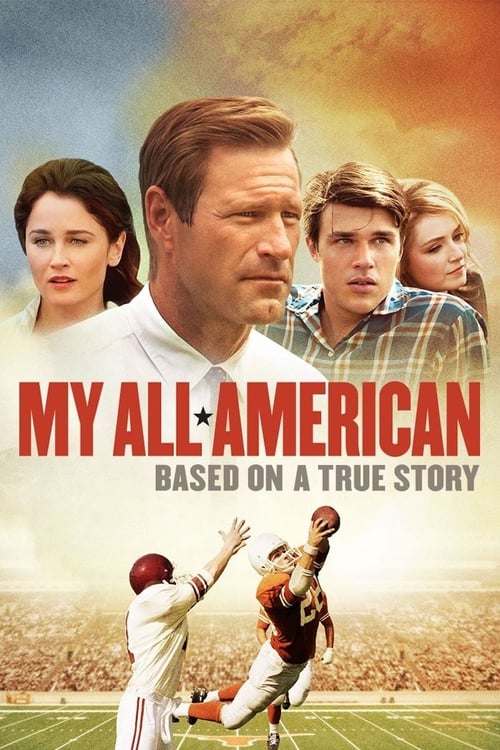
2015
No reviews yet. Be the first to share your thoughts on this movie!
Use the rating form above to leave a star rating and optional review.