The Maias: Story of a Portuguese Family
2014
No user ratings available yet
Representation score: 5.5 out of 10
Representation Score
Good
2001
Director
João Botelho
Runtime
112 minutes
Average Rating
No ratings yetNew Showbiz Analysis
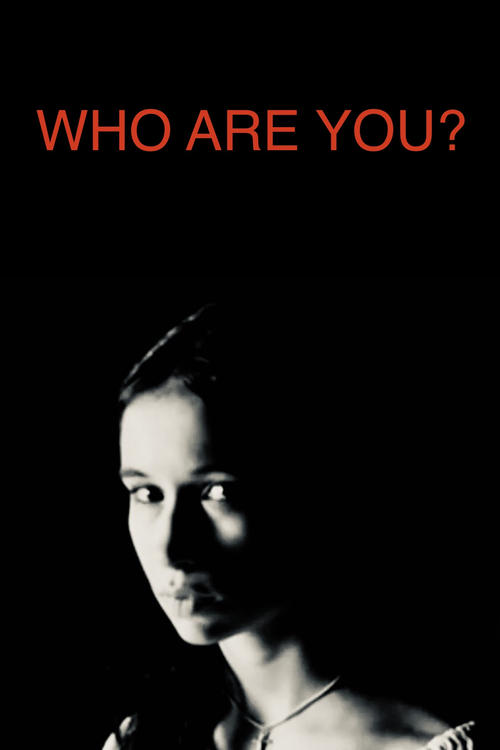
Who Are You? is a psychological historical drama that centers on Maria's subjective experience. By focusing on her physical and mental distress, the film moves beyond typical period dramas to explore how illness shapes perception. While the film provides a sophisticated critique of national identity and historical myth-making, it remains confined by its historical setting. The absence of explicit LGBTQ+ representation and adherence to traditional social hierarchies limit its diversity score. Ultimately, the film succeeds as a meditation on the fragmentation of the self, using the lens of chronic illness to offer a raw, non-traditional view of history.
Category Breakdown
The film does not explicitly depict non-binary or same-sex relationships, focusing instead on Maria's psychological journey.
Maria is portrayed as a central character whose experiences highlight female subjectivity and physical vulnerability within the context of 16th-century social structures.
The narrative touches on a nation occupied by outsiders, suggesting a post-colonial subtext. The casting reflects the social constraints of the time.
The film challenges idealized notions of historical greatness by presenting the 16th century as decadent and fractured. It uses hallucinations to question traditional nationalistic narratives.
Maria’s tuberculosis and hallucinations are central to the film, highlighting her suffering without resorting to common inspirational clichés.
Present on Screen
Limited or Absent
Official Synopsis
Maria de Noronha, at 13 years old, suffers from high fevers and violent hemoptysis caused by a ruthless tuberculosis. To alleviate the pain, she gathers poppies from her garden and, at night, places them on her bed pillows. But the poppies have a devastating effect. Her deep sleep is invaded by ghosts and hallucinations: the luxury and decadence of the Portuguese 16th century. A broken nation, occupied by strangers.
2014
1985
2023

2020

1970
2006
1982

2022
No reviews yet. Be the first to share your thoughts on this movie!
Use the rating form above to leave a star rating and optional review.