Miro Forja
1973
No user ratings available yet
Representation score: 1.4 out of 10
Representation Score
Fair
1969
Director
Pere Portabella
Runtime
15 minutes
Average Rating
No ratings yetNew Showbiz Analysis
Pere Portabella’s documentary prioritizes formal experimentation and the deconstruction of institutional norms over demographic representation. The film's value lies in its method of filming Miró's art only if it is eventually erased. While the work offers a sophisticated critique of how culture is commodified and owned, it lacks breadth in terms of identity-based inclusion. The focus remains tightly locked on a singular European artist and his specific creative process. Ultimately, the film is a specialized study of artistic ephemerality, challenging the permanence of Western cultural institutions but not engaging with a diverse range of social identities.
Category Breakdown
The film focuses on the artistic process without explicitly depicting LGBTQ+ characters or non-assuming gender matches what was assigned at birth identities.
The narrative centers on the intellectual and creative labor of Joan Miró. It avoids submissive female archetypes but remains neutral on gendered power dynamics.
This is a localized study of a Catalan artist within a specific European context. It lacks a diverse cast, focusing strictly on the individual subject and his immediate environment.
The film critiques the commodification of art by documenting the intentional erasure of a painting. This approach rejects traditional institutional authority in favor of a subjective, situational truth.
There is no documented evidence regarding the portrayal of physical or neurodivergent disabilities within this observational framework.
Present on Screen
Limited or Absent
Official Synopsis
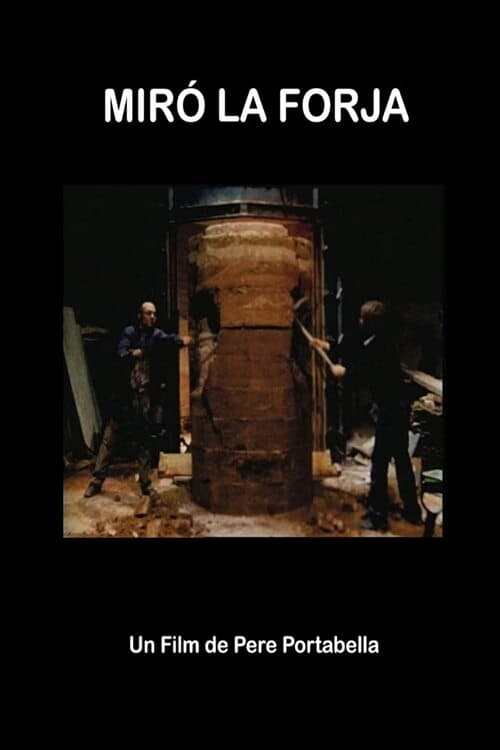
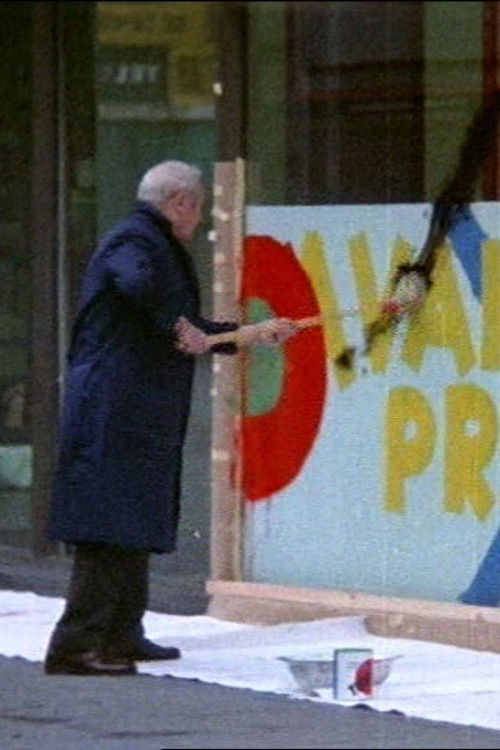
As publicity for the exhibit Miró L’altre, organized by the Colegio de Arquitectos de Catalunya in 1969, the Board commissioned Pere Portabella to film Miró painting the “poster” for the exhibit on the ground floor windows of the building. Portabella was not interested in simply filming a testimonial documentary. However, he said he would do the film if after the exhibit Joan Miró himself, with the help of the cleaning staff erased his own painting. Joan Miró accepted the idea without a doubt. The complicity between the film maker and the painter is evident in the filming.
1973
2012

1969
1962
2008
1985

1956
1970
No reviews yet. Be the first to share your thoughts on this movie!
Use the rating form above to leave a star rating and optional review.