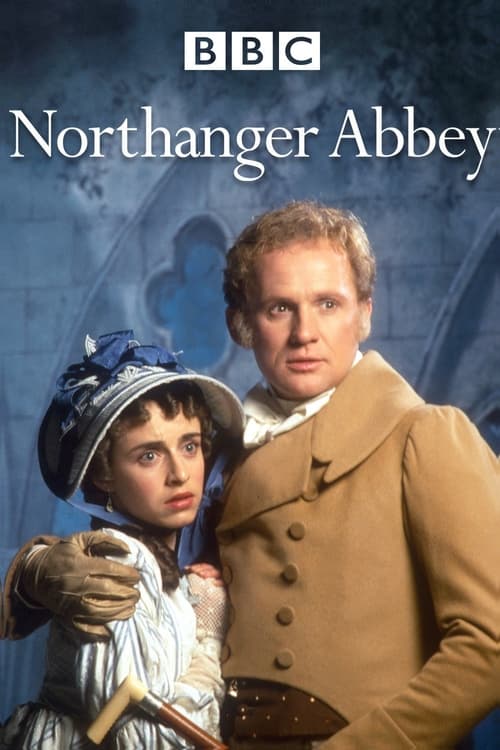
Northanger Abbey
1986
No user ratings available yet
Diversity score: 3.7 out of 10

1992
Director
Giles Foster
Runtime
102 minutes
Average Rating
No ratings yetSynopsis
Rich and languorous, this adaptation of George Eliot's classic tale perfectly evokes rural England in the 18th Century. But beneath the tranquil surface of this pastoral idyll run deep passions and the bitter gall of betrayal.
Overall Score
Limited
Category Breakdown
LGBTQ+ Representation
The story focuses on heteronormative romantic entanglements and the social fallout of infidelity. There is no evidence of queer subtext or non-cisnormative identities within this production.
Gender Representation
The film examines the constraints and limited agency of women in an agrarian society. While exploring female experiences, the roles largely function within established historical gender hierarchies.
Racial & Ethnic Diversity
The casting reflects the demographic homogeneity of the 18th-century English countryside. The production maintains a traditionalist approach to historical accuracy without diverse ethnic representation.
Religious & Cultural Diversity
The narrative is deeply embedded in traditional Western institutions, such as the local clergy. It focuses on moral inquiries regarding social standing rather than institutional critique.
Disability Representation
There is no documented evidence regarding the inclusion of characters with visible or invisible disabilities in this adaptation.
Strengths
Areas for Improvement
AI Analysis
This adaptation of George Eliot’s classic functions as a conventional period drama that prioritizes historical atmosphere. It adheres closely to the source material's traditionalist framework, focusing on the socioeconomic tensions of rural working-class life. The production offers limited opportunities for modern intersectional disruption. Instead of challenging the status quo, the film serves as a study of character within a fixed, historical social order. Ultimately, the film reflects the demographic and social realities of 18th-century England. It lacks intentional efforts to represent diverse identities beyond the era's established social hierarchies.
1986
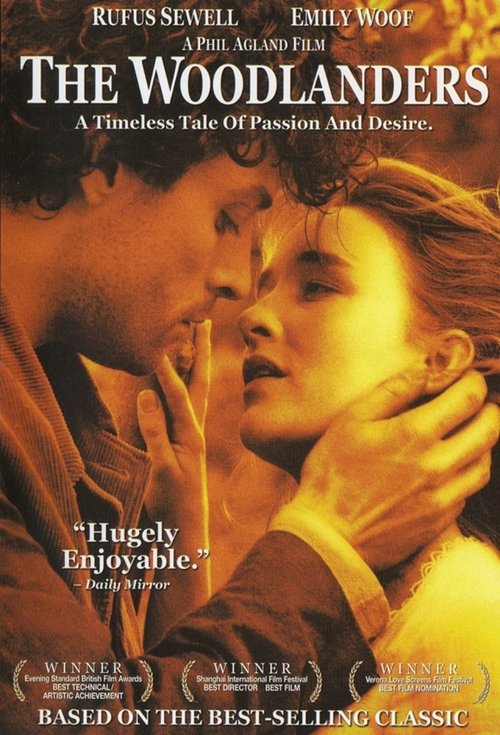
1998
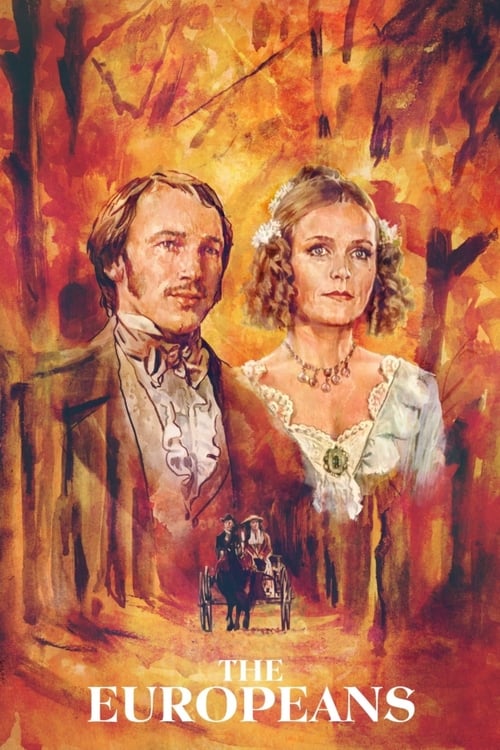
1979
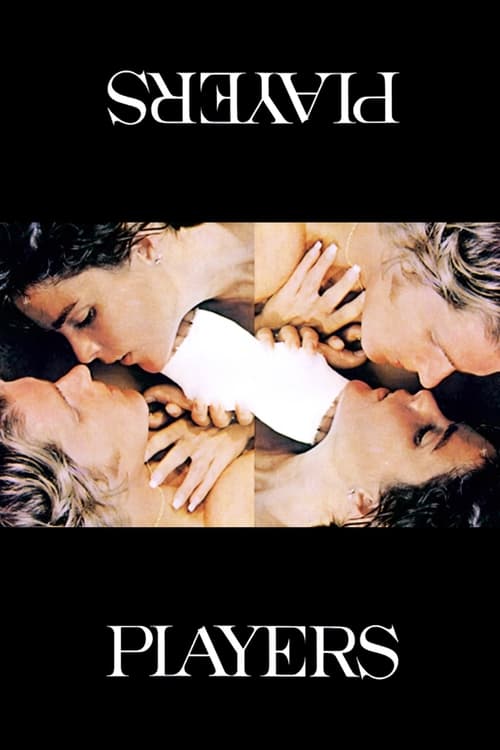
1979
1995
1990
1981
1989
1992
2001
1996
1987
No reviews yet. Be the first to share your thoughts on this movie!
Use the rating form above to leave a star rating and optional review.