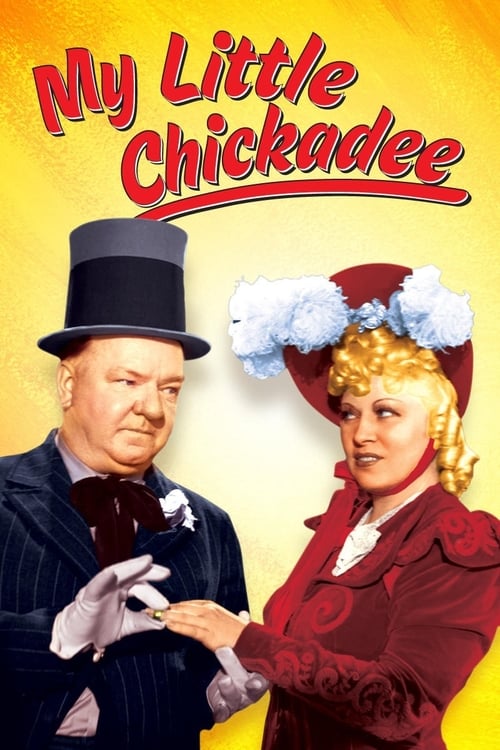
My Little Chickadee
1940
No user ratings available yet
Representation score: 4.4 out of 10
Representation Score
Limited
1947
NRDirector
Charles Barton
Runtime
78 minutes
Average Rating
No ratings yetNew Showbiz Analysis
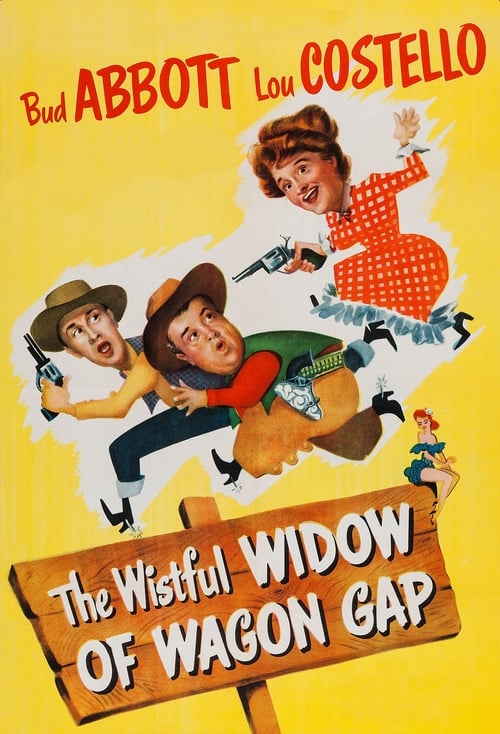
The Wistful Widow of Wagon Gap is a traditional 1947 Western comedy that reflects the social and narrative structures of its time. The film centers on male characters and follows established genre formulas without trying to challenge identity hierarchies. Representation is limited by the period's standard casting and storytelling practices. The narrative emphasizes traditional social structures, offering little in the way of diverse perspectives or systemic critique.
Category Breakdown
The film doesn't show any non-straight relationships or same-sex intimacy. It follows the typical romantic and social structures of the time.
Although a widow is central to the story, the plot is mainly driven by male characters. Women seem to fit into traditional roles as homemakers or romantic figures.
The Montana setting implies a focus on white American characters. There's no indication of a diverse cast or casting that challenges historical norms.
The storyline follows a common 'wronged man' cliché involving crime and justice. It upholds established social and legal orders without questioning them.
There are no characters with visible or invisible disabilities mentioned. No assessment can be made regarding their role in the story.
Present on Screen
Limited or Absent
Official Synopsis
Chester Wooley and Duke Egan are travelling salesmen who make a stopover in Wagon Gap, Montana while enroute to California. During the stopover, a notorious criminal is murdered, and the two are charged with the crime.
1940

1973
1929
1940
1947
1943
1959
1941
No reviews yet. Be the first to share your thoughts on this movie!
Use the rating form above to leave a star rating and optional review.