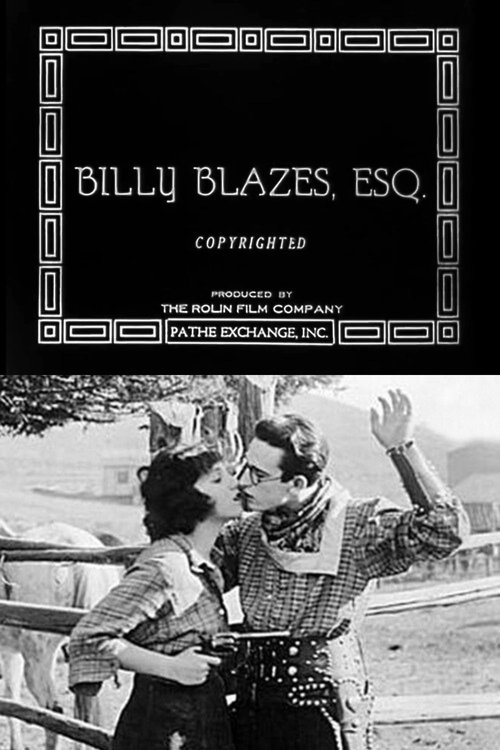
Billy Blazes, Esq.
1919
No user ratings available yet
Representation score: 1.1 out of 10
Representation Score
Minimal
1918
NRDirector
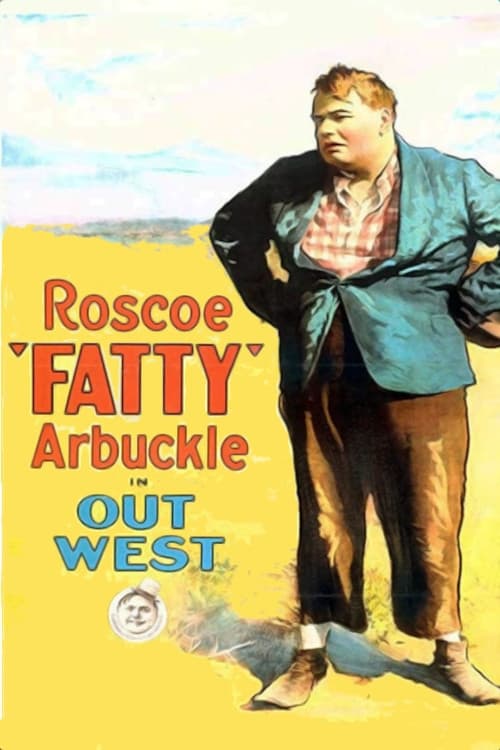
Roscoe Arbuckle
Runtime
21 minutes
Average Rating
No ratings yetNew Showbiz Analysis
Out West is a product of its time, functioning as a standard Western comedy that adheres to early 20th-century social hierarchies. It operates within established genre frameworks rather than attempting to disrupt them. The film relies heavily on reductive clichés, particularly regarding racial and gender dynamics. Characters often serve as archetypes to drive slapstick humor rather than as nuanced individuals. While foundational to silent comedy, the work lacks intentionality in its representation of underrepresented groups, instead reinforcing the colonialist and patriarchal perspectives prevalent in the 1918 cinematic landscape.
Category Breakdown
The film does not include any LGBTQ+ characters or non-straight relationships. It follows traditional romantic storylines typical of the era.
Gender roles in the film follow conventional stereotypes. Salvation Sue is portrayed as needing protection, emphasizing traditional hierarchies where men have control and women are vulnerable.
The film uses ethnic groups as either comic relief or antagonists, suggesting a reliance on stereotypical portrayals rather than meaningful representation.
The story uses standard frontier clichés, such as the Salvation Army and saloon owners, which reinforce traditional Western social structures and moral binaries.
There is no specific depiction of physical or neurodivergent disabilities in the narrative.
Present on Screen
Limited or Absent
Official Synopsis
The story involves Arbuckle coming to the western town of Mad Dog Gulch after being thrown off a train and chased by Indians. He teams up with gambler/saloon owner Bill Bullhum, in trying to keep the evil Wild Bill Hickup away from Salvation Army girl, Salvation Sue. Fatty and Buster have a series of adventures trying to beat St. John, until they discover his one weakness: his ticklishness.
1919

1923
1926

1925
1928
1924
1920
1934
No reviews yet. Be the first to share your thoughts on this movie!
Use the rating form above to leave a star rating and optional review.