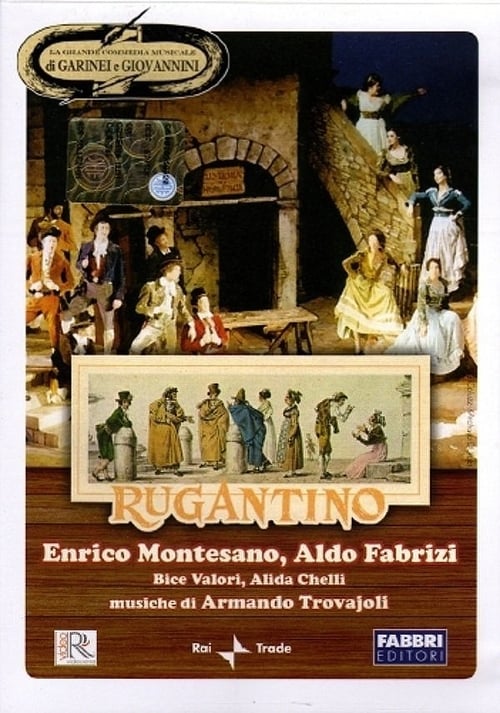
Rugantino
1978
No user ratings available yet
Representation score: 1.1 out of 10
Representation Score
Limited
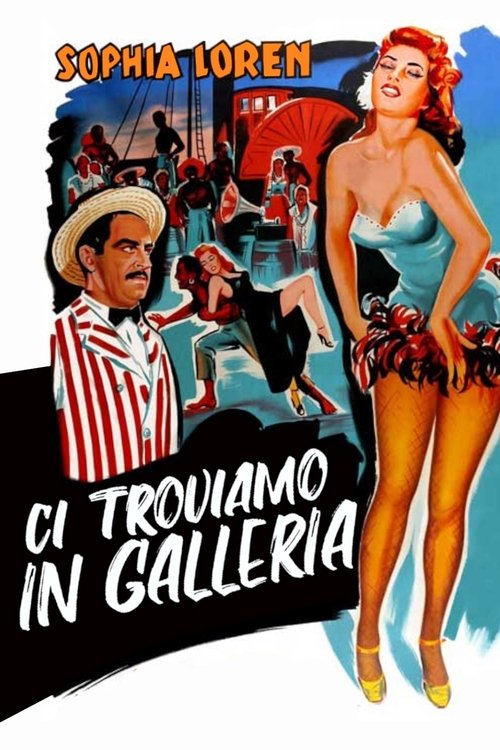
1953
Director
Mauro Bolognini
Runtime
91 minutes
Average Rating
No ratings yetNew Showbiz Analysis
Mauro Bolognini's film is a traditional period comedy that centers on social etiquette and romantic instability. It provides a glimpse into 19th-century Venetian life, emphasizing class dynamics and human frailties. The film reflects the demographic and social constraints of its era, offering depth through its examination of infidelity and professional talent. However, it does not aim to challenge the conventional social hierarchies of the time. Ultimately, the film remains a product of its historical context, upholding the homogeneous social structures typical of mid-20th century European period pieces.
Category Breakdown
The film reflects the societal norms of 19th-century Venice, where romantic relationships are central but do not include diverse gender identities.
Caterina's exceptional singing talent allows her to play a significant role in the story, but the narrative still follows traditional 19th-century social structures.
The film portrays a historically homogeneous European society without any depiction of racial diversity or inclusion of non-European characters.
The story explores social pretense and moral complexity within the context of 19th-century European society, without challenging religious or capitalist institutions.
There are no visible representations of physical or neurological disabilities among the characters, who are primarily defined by their social status and romantic involvements.
Present on Screen
Limited or Absent
Official Synopsis
Ignazio Panizza goes from one failure to the other until he meets a singer, Caterina, provided with an exceptional voice.
1978
1950
1957
1957
1966
1955
1969
1970
No reviews yet. Be the first to share your thoughts on this movie!
Use the rating form above to leave a star rating and optional review.