4L
2019
No user ratings available yet
Diversity score: 5.1 out of 10
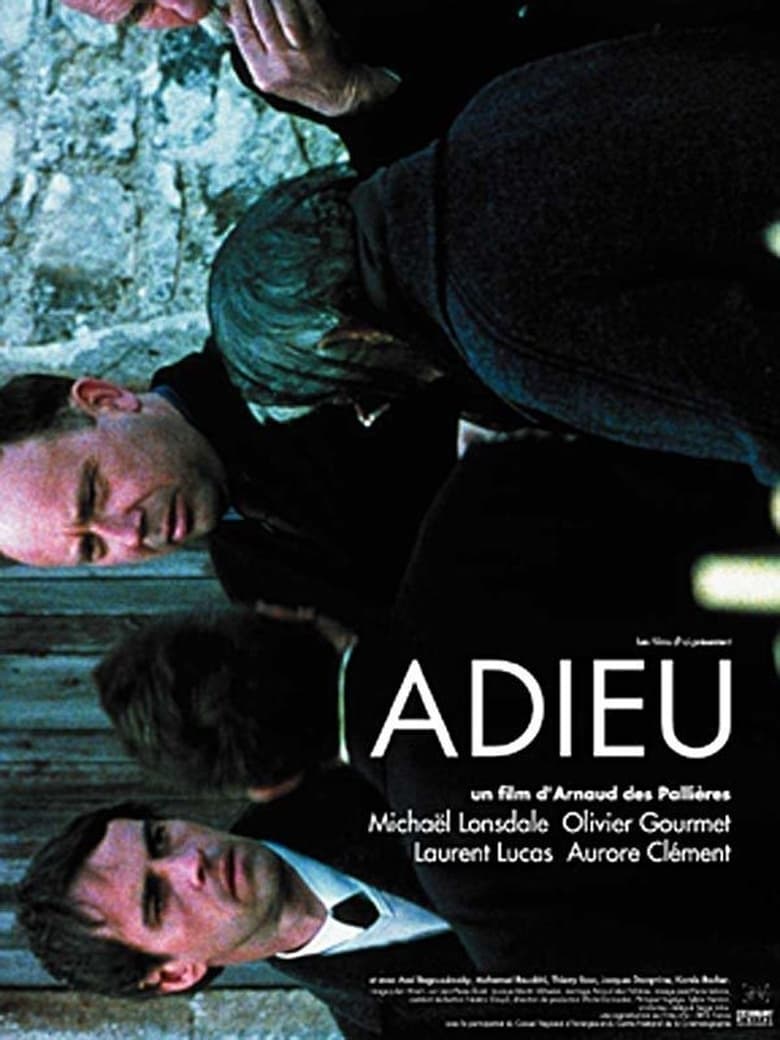
2004
Director
Arnaud des Pallières
Runtime
123 minutes
Average Rating
No ratings yetSynopsis
Under threat in Algeria, Ismahel emigrates to France where he wants to live and work, with the hope that the people he's fleeing from will forget him the time he is away. In the letters that he writes to the daughter that he left behind in his homeland, he tells his own story in the guise of the biblical tale of Jonas and the Whale. Somewhere in France, an elderly farmer has just lost his young son. His three other children help him as much as they can to get through the trial of the funeral, but the ceremony is halted when the old man falls ill. The two stories unfold parallel to each other and are alternated.
Overall Score
Fair
Category Breakdown
LGBTQ+ Representation
The film lacks representation of LGBTQ+ characters or narratives. The story focuses primarily on familial bonds and the immigrant experience.
Gender Representation
The narrative utilizes a traditional domestic framework. However, the daughter is granted emotional agency through her correspondence, and the children play active roles in supporting their father.
Racial & Ethnic Diversity
Ismahel provides meaningful representation of the North African diaspora. The film avoids reductive stereotypes by focusing on his internal psychological state and complex relationship with his homeland.
Religious & Cultural Diversity
The film explores displacement through religious allegory, specifically the tale of Jonah. It uses these themes to critique the boundaries of national and cultural identity.
Disability Representation
The film depicts illness and the physical frailty of an elderly farmer. However, this appears to be an exploration of mortality rather than specific disability representation.
Strengths
Areas for Improvement
AI Analysis
Adieu is a contemplative piece of transnational cinema that uses a dual-narrative structure to bridge disparate human struggles. By juxtaposing the Algerian immigrant experience with a French farmer's grief, the film creates a thematic link between physical and emotional displacement. The film succeeds in centering a non-Western protagonist within a European landscape without relying on monolithic tropes. It uses sophisticated literary devices to foster empathy across cultural divides. While the film lacks LGBTQ+ representation and does not focus on disability, it offers a nuanced look at the North African diaspora and the universal nature of loss.
2019
2007
2019
1996
1999

2024
2000

2021
2019

2013
2017

2013
No reviews yet. Be the first to share your thoughts on this movie!
Use the rating form above to leave a star rating and optional review.