
Blind Vaysha
2016
No user ratings available yet
Representation score: 8.1 out of 10
Representation Score
Good
2015
Director
Federico Sfascia
Runtime
116 minutes
Average Rating
No ratings yetNew Showbiz Analysis
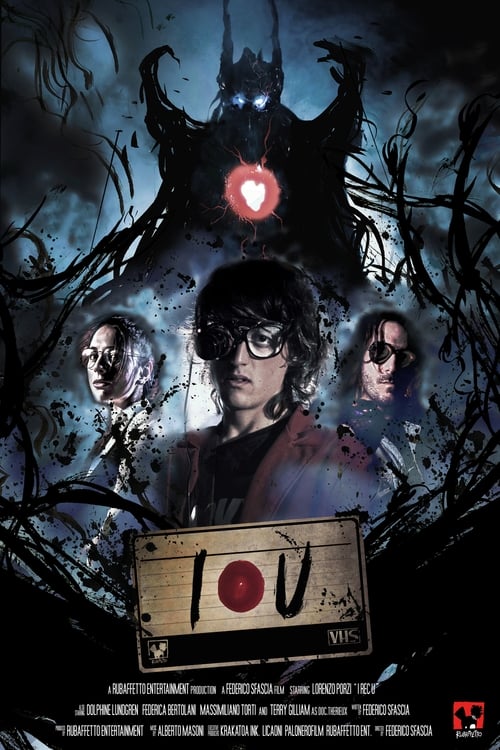
I REC U uses a high-concept, sensory-based premise to deconstruct how identity is observed through a technological lens. The film functions as a metaphor for the male gaze, questioning the mediated nature of modern perception. The narrative centers a protagonist with a unique sensory requirement, disrupting traditional cinematic expectations. However, the film's lack of information regarding racial and ethnic diversity makes it difficult to assess its full social breadth. The focus remains heavily on individual perception and gendered interaction.
Category Breakdown
The film explores non-traditional ways of perceiving gendered subjects. While queer identities are not explicitly confirmed, the premise aligns with postmodern explorations of identity fluidity.
The narrative disrupts traditional hierarchies by making the protagonist's perception of women contingent on technology. This framing critiques the passive role of women by making them essential to his sensory awakening.
There is no specific information regarding the racial or ethnic composition of the cast or setting. Consequently, a definitive score cannot be assigned.
The story prioritizes subjective experience over singular truths through its focus on technological mediation. This reflects a move toward perceptual relativism and a critique of objective Western perspectives.
Neve's sensory condition is treated as a unique lens rather than a deficit to be cured. His use of camera-glasses to navigate reality offers a sophisticated portrayal of neurodivergent-adjacent experiences.
Present on Screen
Limited or Absent
Official Synopsis
19 years old Neve sees women out of focus - but he can see them properly when they are recorded on magnetic tape or film. This is why he wears a special pair of camera-glasses which, recording every single moment of his life, allow him to see everything correctly. His life actually becoming one of the movies he has been watching since he was a child. Until the day he meets the one and only woman he can see at naked eye.
2016
2015
2010

1970

2013
2018
2023
2008
No reviews yet. Be the first to share your thoughts on this movie!
Use the rating form above to leave a star rating and optional review.