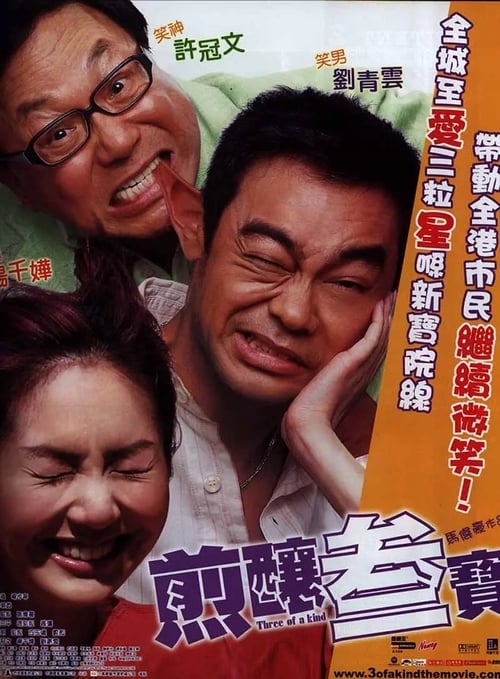
Three of a Kind
2004
No user ratings available yet
Representation score: 2.9 out of 10
Representation Score
Fair
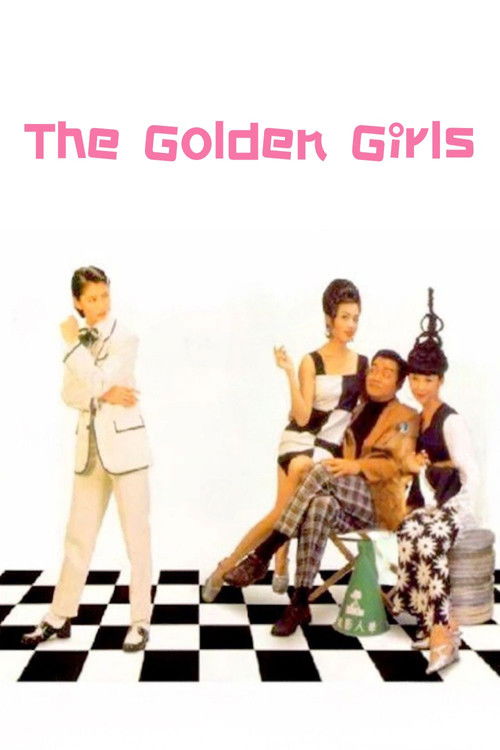
1995
Director
Joe Ma Wai-Ho
Runtime
94 minutes
Average Rating
No ratings yetNew Showbiz Analysis
The Golden Girls is a period romantic comedy set against the backdrop of the 1960s Hong Kong film industry. The narrative focuses on the professional ambitions of actresses and the interpersonal connections of a screenwriter. While the film allows female protagonists to demonstrate ability to act within their careers, it remains a conventional genre piece. It adheres to the cultural norms of its time rather than challenging them. Ultimately, the film serves as a character-driven study of ambition. It lacks the complexity needed to address broader social issues.
Category Breakdown
The film follows traditional heterosexual romantic structures typical of 1990s Hong Kong comedies. There is no indication of queer subtext or non-straight identities.
The story centers on female actresses navigating a professional industry, providing a framework for women to take control. However, it lacks a clear critique of patriarchal structures.
The cast and setting are ethnically homogeneous, reflecting the cultural context of the Hong Kong film industry. It does not engage with diverse racial identities.
As a period piece, the film likely celebrates nostalgia for 1960s Hong Kong cinema. It reinforces traditional values of romantic idealism and industry perseverance.
There is no information available regarding the depiction of physical or neurodivergent characters in this production.
Present on Screen
Limited or Absent
Official Synopsis
A screenwriter gets involved with two actresses who are trying to succeed in the 1960s Hong Kong film industry.
2004
2015
2005

1999
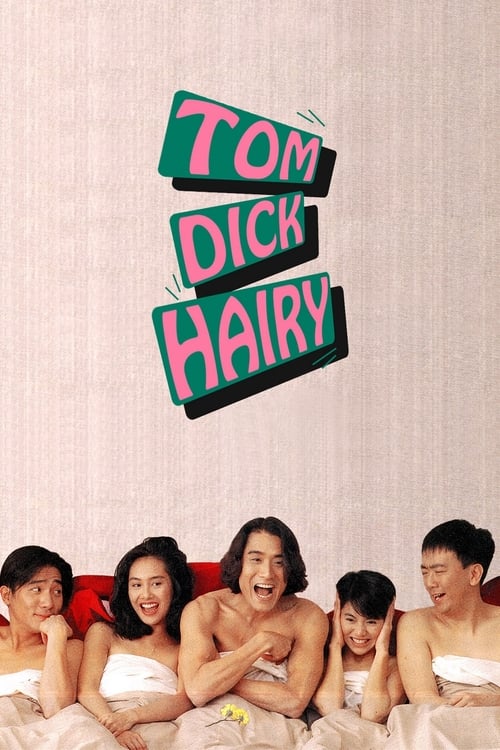
1993

2012
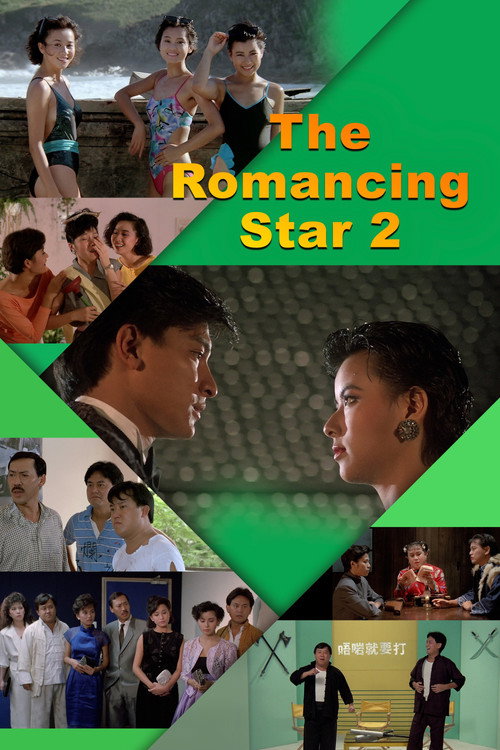
1988
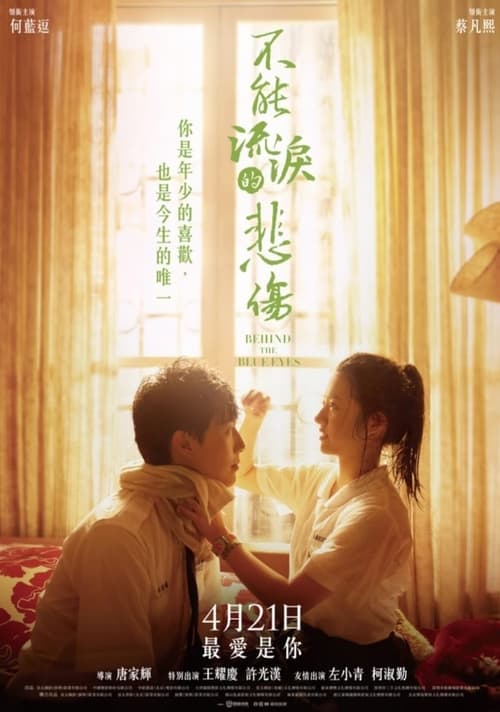
2023
No reviews yet. Be the first to share your thoughts on this movie!
Use the rating form above to leave a star rating and optional review.