Find another title
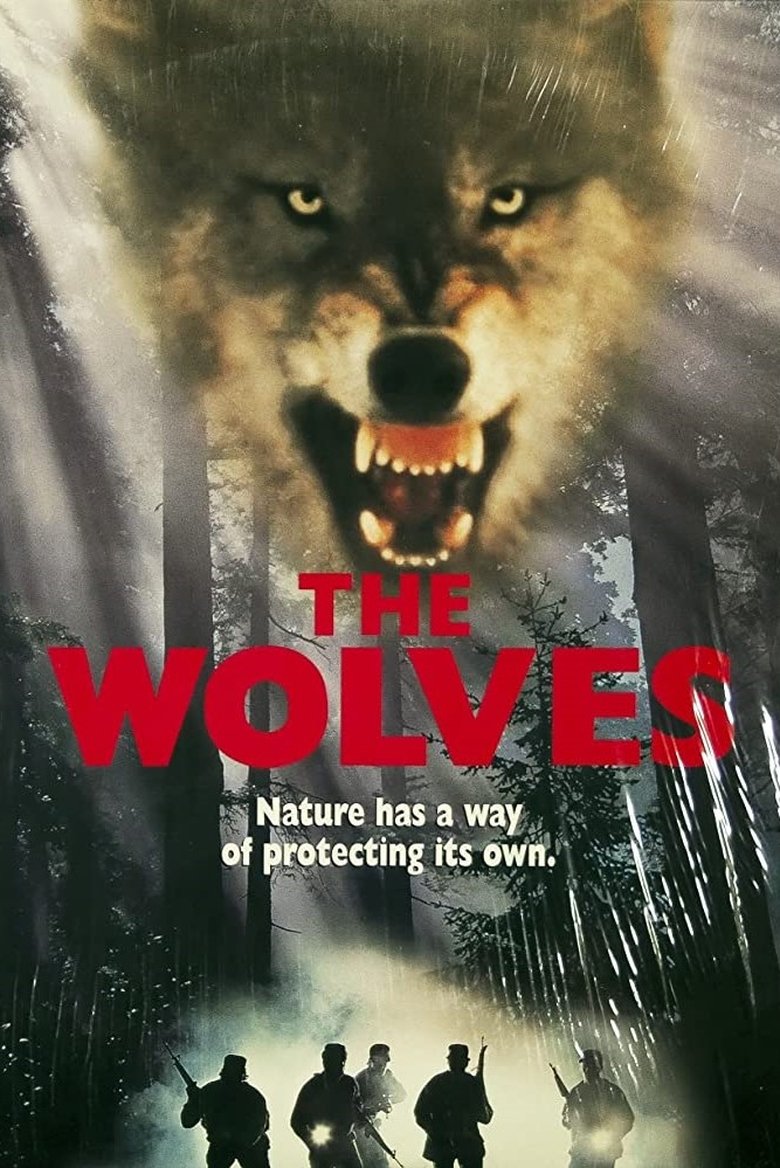
The Wolves
1996
PG-13Director
Steve Carver
Runtime
88 minutes
Average Rating
No ratings yetSynopsis
When Blackie Blacavov and his sister Barbara inherit 50,000 acres of Alaskan wilderness, he tries to live a more harmonious, natural existence on the land. But Barbara, without informing Blackie, gives mining exploration rights to King, a businessman with a passion for hunting wolves. On the sly, King also uses the area as a toxic waste dump. So Blackie and Barbara join together with the wolves to defeat their common enemy and save the idyllic refuge.
Where to Watch
Diversity & Representation
Overall Score
Fair
Category Breakdown
LGBTQ+ Representation
The film lacks explicit LGBTQ+ characters or narratives addressing non-cisnormative identities. The story focuses on environmental and familial conflicts instead.
Gender Representation
Blackie and Barbara operate as a collaborative sibling duo. Barbara drives the plot tension by initiating the conflict through mining rights, though character depth remains limited.
Racial & Ethnic Diversity
The protagonist, Blackie Blacavov, provides a departure from standard frontier tropes. However, the film does not appear to feature a diverse ensemble or systemic racial themes.
Religious & Cultural Diversity
The narrative critiques industrial capitalism by framing corporate interests as predatory. It prioritizes ecological preservation and a harmonious existence over traditional Western industrial expansion.
Disability Representation
There is no evidence of characters with visible or invisible disabilities within the narrative.
Strengths
- The film offers a strong critique of industrial capitalism and corporate greed.
- It subverts traditional man-vs-nature tropes by suggesting a symbiotic alliance with the wild.
- Barbara serves as a primary driver of plot tension rather than a passive character.
Areas for Improvement
- The film lacks meaningful representation of LGBTQ+ identities or non-cisnormative characters.
- Racial diversity is limited to the protagonist's agency without a broader ensemble.
- There is no visible or invisible disability representation within the story.
AI Analysis
The film functions primarily as an environmentalist thriller rather than a study of identity politics. Its progressive elements are rooted in ecological themes and a critique of corporate exploitation rather than intersectional representation. While the story subverts some tropes by centering on land autonomy and a symbiotic relationship with nature, it lacks depth in racial and LGBTQ+ categories. The narrative architecture prioritizes the struggle against industrial degradation over social identity exploration.
Rate this Movie
Reviews
No reviews yet. Be the first to share your thoughts on this movie!
Use the rating form above to leave a star rating and optional review.