
A View from a Hill
2005
No user ratings available yet
Representation score: 0.6 out of 10
Representation Score
Fair
1974
Director
Chicho Ibáñez Serrador
Runtime
66 minutes
Average Rating
No ratings yetNew Showbiz Analysis
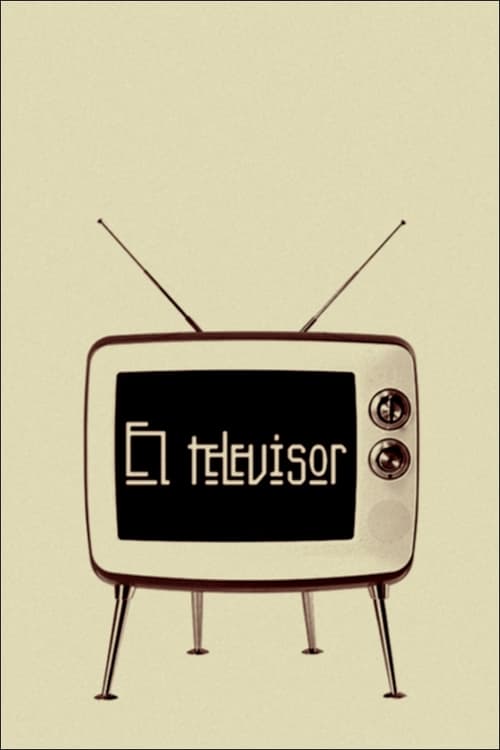
El Televisor is a specialized psychological study that prioritizes thematic exploration over demographic variety. The film functions as a character-driven descent into obsession, focusing on how media consumption erodes the boundary between reality and fiction. While the film lacks diverse casting and multi-layered complexity, it finds strength in its cultural critique. It uses the television as a catalyst to question the stability of Western social institutions and the psychological costs of capitalist gratification. Ultimately, the work remains a narrow study of individual alienation. It does not serve as a vehicle for social inclusivity, focusing instead on the unsettling relationship between a man and his technology.
Category Breakdown
The film does not include any LGBTQ+ characters or non-cisgender identities. The narrative focuses entirely on a man's psychological relationship with a consumer object.
The story centers on a male protagonist named Enrique and his descent into madness. There is no clear evidence of women having significant roles or the subversion of traditional gender roles.
The film likely reflects the demographic homogeneity of 1974 Spanish cinema. There is no indication of diverse casting or the disruption of Eurocentric norms.
The film critiques modern consumerism and mass media. It portrays the television as a destabilizing force that questions the benefits of technological progress.
The narrative explores a psychological breakdown, but it is unclear if mental health issues are addressed with real control. It may simply use madness as a standard horror cliché.
Present on Screen
Limited or Absent
Official Synopsis
Enrique buys a color television set just to satisfy a personal pleasure long time deferred but, from that moment on, he becomes obsessed with it in such way that eventually he is incapable to differ reality from fiction.
2005

1980
2001

1972
1976
1986
1972

2005
No reviews yet. Be the first to share your thoughts on this movie!
Use the rating form above to leave a star rating and optional review.