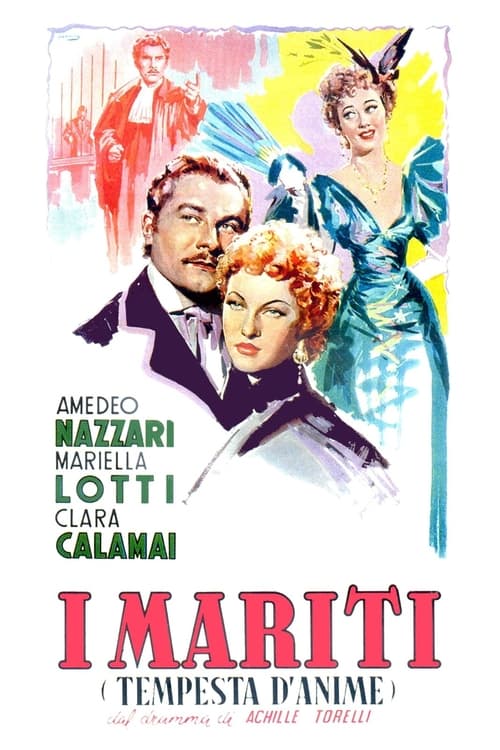
I mariti
1941
No user ratings available yet
Representation score: 0.5 out of 10

Representation Score
Fair
1996
Director
Christian De Sica
Runtime
84 minutes
Average Rating
No ratings yetNew Showbiz Analysis
The film serves as a critique of traditional social institutions, particularly marriage and aristocratic stability. By presenting a fluid, morally ambiguous framework, it moves away from conventional domestic storytelling. While the film does not explicitly label modern identities, it deconstructs gender and marital norms. The female lead's active role and the unconventional sexual arrangements offer a unique perspective on character dynamics. However, the lack of information about racial, ethnic, or disability representation limits a thorough assessment of the film's inclusivity.
Category Breakdown
The film introduces a third party into a marital relationship, challenging traditional family structures. Shared sexual activity between a revolutionary and a married couple questions the sanctity of marriage.
The female protagonist is central to the story, focusing on her reproductive rights and sexual experiences. She is not passive but actively shapes the narrative.
There is no specific evidence regarding the racial or ethnic composition of the cast or the setting. Information is insufficient to determine the diversity of the characters.
The story critiques class stability by depicting an aristocrat supporting revolutionaries for amusement. It emphasizes situational ethics over traditional moral codes.
The film contains no mention of characters with physical, sensory, or neurodivergent traits. There is no information available regarding disability representation.
Present on Screen
Limited or Absent
Official Synopsis
Baron Jacopo lives with his beautiful wife and spends his days playing funny pranks and worrying about not having children. His life could change when a young revolutionary, Leonardo, enters the scene, belonging to a group to which Jacopo has procured weapons for fun. Leonardo, encouraged by Jacopo himself, will actively participate in the couple's sexual activity; then he will impregnate the woman and leave the palace.
1941
1955

1984

1952

1998

1988

1994

1998
No reviews yet. Be the first to share your thoughts on this movie!
Use the rating form above to leave a star rating and optional review.