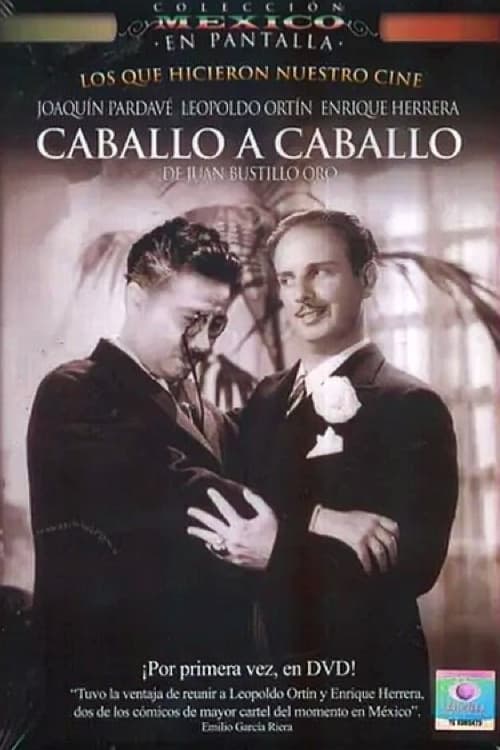
Caballo a caballo
1939
No user ratings available yet
Representation score: 1.3 out of 10
Representation Score
Limited
1940
Director
Roberto Rodríguez
Runtime
98 minutes
Average Rating
No ratings yetNew Showbiz Analysis
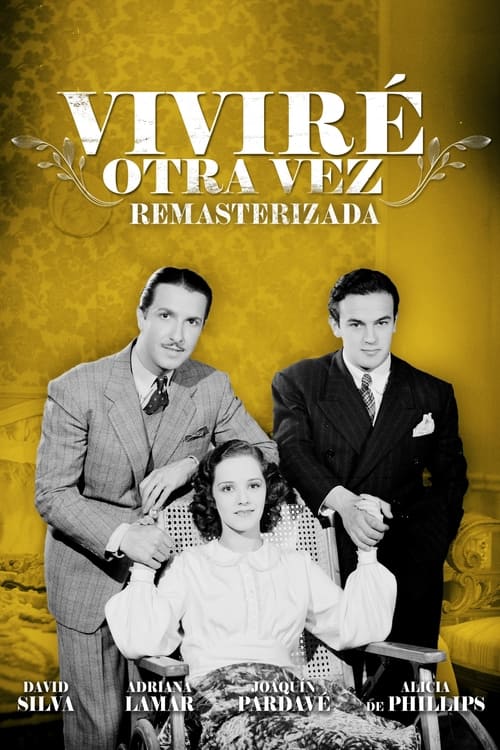
Viviré otra vez is a conventional genre piece that prioritizes traditional melodrama and moral clarity. The story follows a classic arc of debt and redemption, focusing heavily on masculine archetypes of sacrifice and criminality. While the film provides a non-Western cultural perspective by virtue of its Mexican origin, it does not actively seek to challenge systemic power dynamics. Instead, it reinforces established social and familial structures through its focus on fraternal duty. The narrative architecture is built around traditional values, making it a product of its era's mainstream storytelling rather than a work of social subversion.
Category Breakdown
The film does not include any characters with LGBTQ+ identities. It adheres to the typical social norms of 1940s cinema.
The story revolves around male characters and their roles as criminals and brothers sacrificing for each other. It emphasizes men's control over the story and duty without challenging gender hierarchies.
As a Mexican production, it avoids the whitewashing common in Western films. However, it likely reflects the demographic homogeneity of the era's studio system.
The story explores traditional morality through themes of blackmail and robbery. It emphasizes familial loyalty and social cohesion over institutional critique.
There is no indication of characters with visible or invisible disabilities within the narrative or historical context.
Present on Screen
Limited or Absent
Official Synopsis
Card-sharks blackmail a dissolute young man into participating in a big robbery; his brother takes the rap for him.
1939

1941
1940
1951
1945

1948

1939
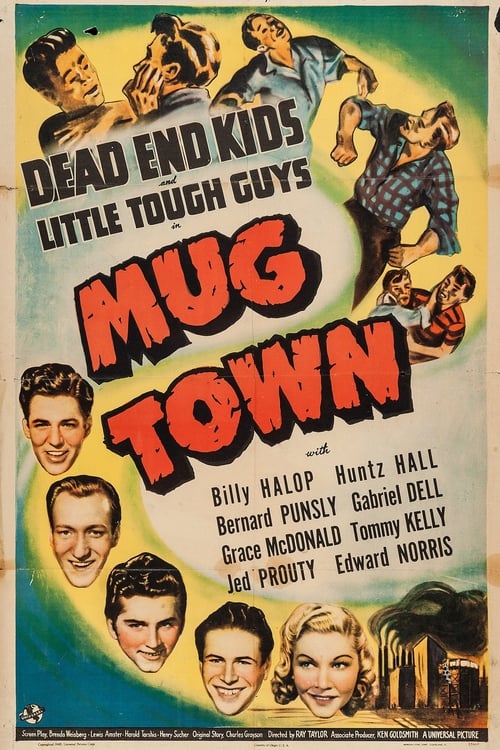
1942
No reviews yet. Be the first to share your thoughts on this movie!
Use the rating form above to leave a star rating and optional review.