Mein Weg zu dir heißt Liebe
2004
No user ratings available yet
Representation score: 1.8 out of 10
Representation Score
Limited
2005
Director
Udo Witte
Average Rating
No ratings yetNew Showbiz Analysis
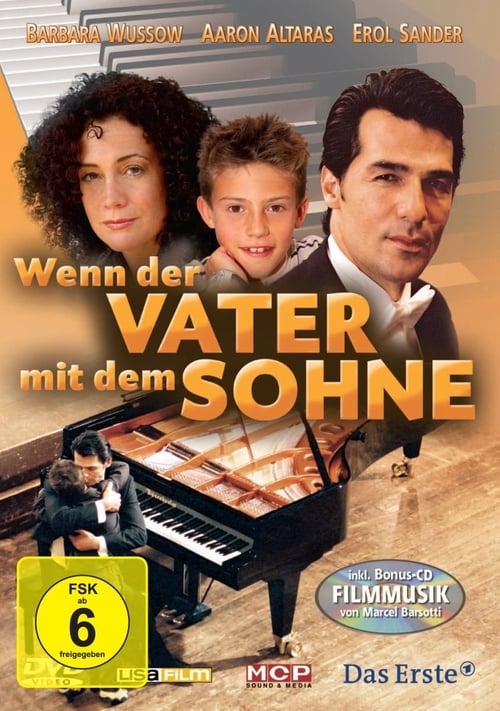
Wenn der Vater mit dem Sohne is a conventional domestic drama that emphasizes emotional tension over social subversion. The story centers on the intersection of romantic love and the complexities of parental identity within a traditional family structure. While the film delves into nuanced themes surrounding adoptive and biological family bonds, it remains within a culturally homogeneous framework. The narrative lacks the depth needed to challenge established social hierarchies. Ultimately, the film serves as a character study of individual emotional experiences rather than a platform for broader cultural or identity-based representation.
Category Breakdown
The film focuses on traditional heterosexual relationships and family structures. It does not include any representation of LGBTQ+ identities or provide critiques of heterosexuality.
While Luisa plays a significant role in driving the plot, the story primarily follows Paul's perspective. The conflict revolves around male emotional responses and paternal responsibilities.
The story features a predominantly European cast set in Austria and Italy. There is no representation of diverse ethnic backgrounds or racial blending.
The drama examines the complexities of adoptive versus biological parent-child relationships. It operates within traditional domestic frameworks without critiquing Western social institutions.
The narrative does not depict any physical, neurodivergent, or mental health disabilities.
Present on Screen
Limited or Absent
Official Synopsis
Paul, a former concert pianist, lives in the picturesque town of Krems with his adopted son Rico. Since the accidental death of his wife Anna, he has been living alone with his son. When Paul falls in love with the beautiful Luisa, he starts playing the piano again. What Paul doesn't know is that Luisa is Rico's biological mother and has already made friends with the little boy, without knowing that Paul is Rico's adoptive father. When Paul finds out, he feels betrayed by Luisa and confronts her. The situation comes to a head and Luisa travels back to Italy. But Paul quickly realizes that he wants to give his adopted son the chance to get to know his biological mother. Together with Rico, he travels to Italy to see Luisa again. They have a heated argument there and don't realize that Rico is eavesdropping on them. When he learns that Paul is not his father, the little boy's world falls apart.
2004
1997
1991

1995

1995

2018
1994

1996
No reviews yet. Be the first to share your thoughts on this movie!
Use the rating form above to leave a star rating and optional review.