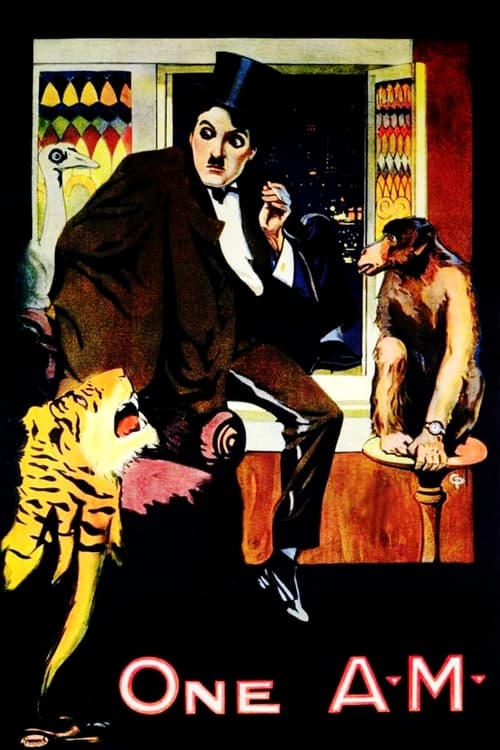
One A.M.
1916
No user ratings available yet
Representation score: 0.4 out of 10
Representation Score
Minimal
1922
TV-GDirector
Charlie Chaplin
Runtime
22 minutes
Average Rating
No ratings yetNew Showbiz Analysis
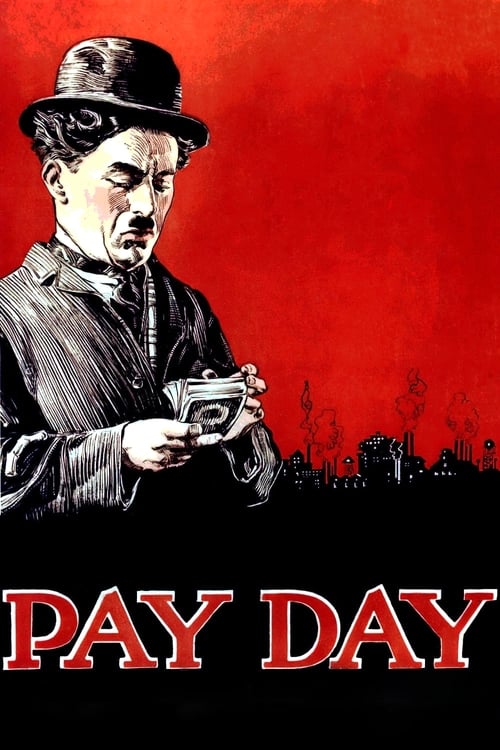
Pay Day is a foundational silent comedy that emphasizes physical humor and domestic friction. The narrative focuses on the universalized struggle of the 'little man' navigating domestic life and economic pressures. Given its temporal context, the film adheres to the established social hierarchies of the early 20th century. It does not aim to disrupt traditional structures or provide a platform for underrepresented identities. Ultimately, the film serves as a historical baseline for mainstream comedic storytelling, emphasizing physical humor and domestic tension rather than diverse representation.
Category Breakdown
The film does not include any LGBTQ+ characters or explore non-straight relationships. The interpersonal dynamics center around a traditional heterosexual marriage.
Gender roles align with the conventional expectations of the early 1920s. The wife influences the plot through confrontations within the home, but the conflict remains rooted in traditional marital hierarchies.
The cast is relatively uniform, reflecting the limited demographic scope typical of early silent era urban comedies. There is no indication of intentional racial blending or non-Anglo-Saxon characters.
The story highlights the working-class experience with labor and immediate gratification. It centers on the individual's struggle within a rigid economic system and the traditional family unit.
The film does not depict any visible or invisible disabilities. Physical comedy relies on the protagonist's agility rather than representing neurodivergence or physical impairment.
Present on Screen
Limited or Absent
Official Synopsis
A bricklayer and his wife clash over his end-of-the-week partying.
1916
1933
1914

1942
1926
1990

1915

2005
No reviews yet. Be the first to share your thoughts on this movie!
Use the rating form above to leave a star rating and optional review.