
Hate Thy Neighbor
1968
No user ratings available yet
Representation score: 1.7 out of 10
Representation Score
Limited
1960
Director
Chano Urueta
Runtime
90 minutes
Average Rating
No ratings yetNew Showbiz Analysis
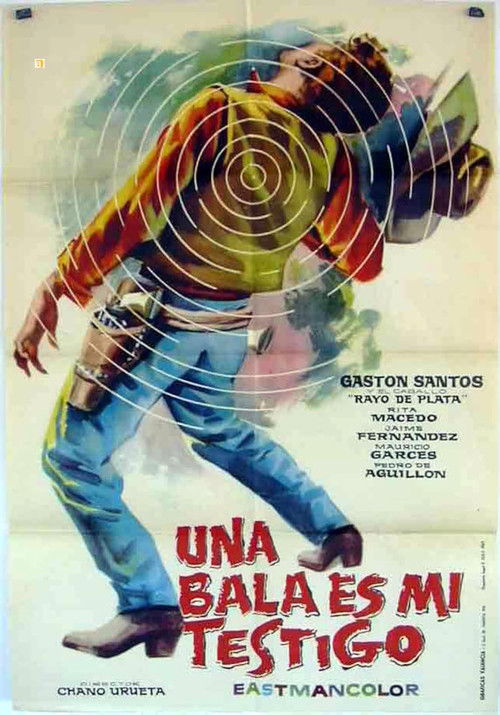
Una bala es mi testigo is a typical 1960s Mexican Western that follows conventional genre clichés. The narrative is centered on a male-driven pursuit of vengeance, limiting the scope of character influence and social complexity. While the film offers a non-Anglo-Saxon perspective inherent to its regional production, it does not challenge established social hierarchies. Instead, it embraces traditional archetypes and themes of honor and restorative justice. Ultimately, the film remains a straightforward action drama without the intention to present multi-layered narratives or progressive social critiques.
Category Breakdown
The film does not include any characters with non-straight or non-cisgender identities. It follows the assumption that everyone is straight or cisgender, typical of 1960s action films.
The story revolves around a male protagonist seeking revenge for his brother. This reinforces traditional masculine roles and a patriarchal structure where male conflicts drive the plot.
As a Mexican production, the cast includes diverse ethnicities. However, the story relies on traditional regional stereotypes rather than challenging racial hierarchies.
The film emphasizes traditional values such as honor, family loyalty, and retribution. It upholds clear moral boundaries without exploring complex social critiques or moral ambiguity.
The film does not feature any characters dealing with physical or neurological disabilities.
Present on Screen
Limited or Absent
Official Synopsis
Cowboy goes to track down the man who murdered his brother, but it turns out to be someone other than the one he was looking for. Together, they set things straight and take care of the real murderer.
1968
1967

1961
1967
1972

1968
1956

1958
No reviews yet. Be the first to share your thoughts on this movie!
Use the rating form above to leave a star rating and optional review.