
In Caliente
1935
No user ratings available yet
Representation score: 2.2 out of 10
Representation Score
Limited
1938
NRDirector
Theodore Reed
Runtime
78 minutes
Average Rating
No ratings yetNew Showbiz Analysis
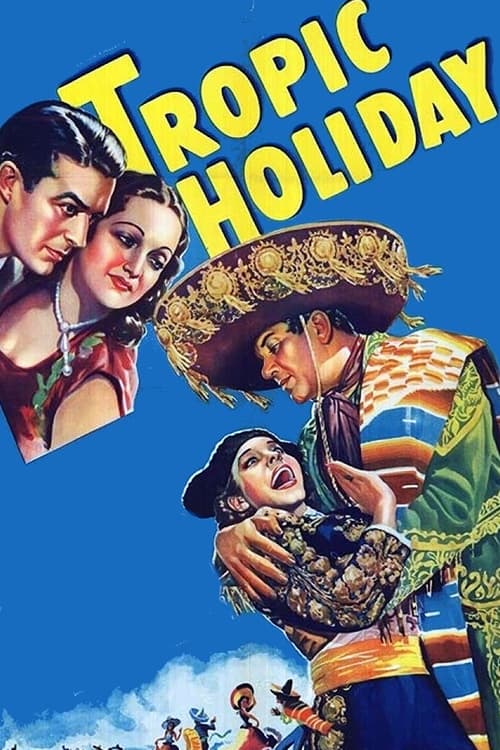
Tropic Holiday is a product of the 1938 Hollywood studio system, prioritizing escapist musical comedy over social critique. While the cast includes a notable number of Latin American performers, the narrative perspective remains firmly Western and external. The film relies on traditional romantic structures and gender roles. While female stars are prominent, the plot centers on male-driven pursuits, reflecting the era's standard storytelling models. Ultimately, the production reinforces cultural boundaries and exoticism. It offers variety through its cast but fails to center non-white ability to act or challenge the status quo.
Category Breakdown
The film follows traditional heterosexual romantic structures typical of 1938. There is no depiction of non-binary gender identities or same-sex relationships.
Female leads like Dorothy Lamour and Martha Raye have strong screen presence. However, the narrative centers romantic interest around male protagonists, adhering to traditional gender roles.
Latin American performers like Tito Guízar and Elvira Ríos bring ethnic variety. Yet, the premise suggests an external Western perspective viewing Mexico through a lens of exoticism.
The story functions as a standard escapist musical. It reinforces established cultural boundaries rather than critiquing them or challenging Western institutions.
There are no visible or invisible disabilities among the main characters.
Present on Screen
Limited or Absent
Official Synopsis
A screenwriter falls in love with a Mexican woman while searching for a story line south of the border.
1935

1933

1936
1945
1949
1944
1966
1942
No reviews yet. Be the first to share your thoughts on this movie!
Use the rating form above to leave a star rating and optional review.