
Smoked Hams
1947
No user ratings available yet
Representation score: 0.4 out of 10
Representation Score
Minimal
1948
ApprovedDirector
Dick Lundy
Runtime
6 minutes
Average Rating
No ratings yetNew Showbiz Analysis
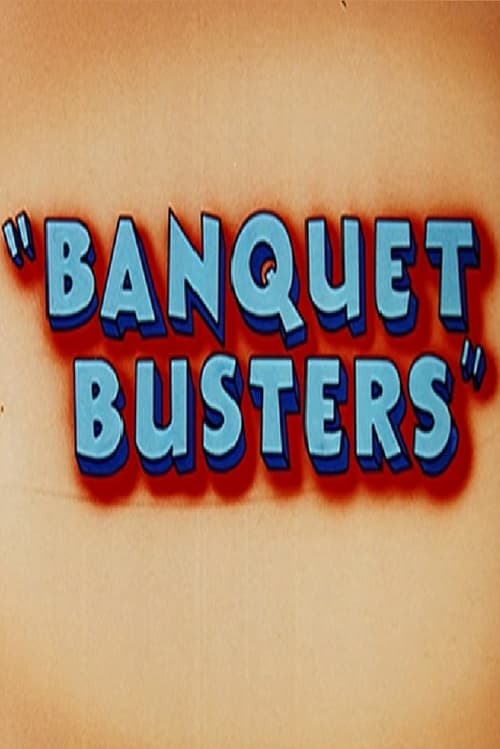
Banquet Busters follows the traditional slapstick framework of mid-century animation. The narrative relies on the 'outsider vs. establishment' cliché, using Woody Woodpecker as a trickster to disrupt a formal setting. While the film touches on class friction, it ultimately reinforces existing power structures. The resolution uses physical expulsion to restore the status quo, rather than challenging social hierarchies. The film lacks the complexity needed to represent underrepresented identities or subvert systemic norms, functioning instead as a standard comedic diversion of its era.
Category Breakdown
The film centers on a traditional slapstick conflict and does not include characters with non-binary gender identities or critiques of the assumption that everyone is straight or cisgender.
Male characters drive the plot, while female characters are limited to minor, unnamed roles. The story emphasizes male-to-male conflict and authority.
The anthropomorphic characters serve as a neutral medium, avoiding direct racial stereotypes. However, the film lacks intentional representation of diverse backgrounds.
The story includes a minor critique of class through themes of hunger and abundance. Social disruption is treated as a comedic device rather than a systemic issue.
There is no depiction of characters dealing with physical, sensory, or neurodivergent conditions. Characters operate within typical physical capacities.
Present on Screen
Limited or Absent
Official Synopsis
Woody Woodpecker and Andy Panda are two (unemployed) musicians who sit in their office without food sans one last bean that a mouse eats. Fortunately, there is a banquet going on down the street at Mrs. Van Glutton's mansion. The two arrive at the mansion and instantly try the patience of butler Wally Walrus who doesn't appreciate the food filching ways of the two. Eventually, an enormous food fight erupts with Wally caught in the middle, ending with Wally chasing the two away with a shotgun.
1947
1940
1936
1939
1958
1945

1940
1948
No reviews yet. Be the first to share your thoughts on this movie!
Use the rating form above to leave a star rating and optional review.