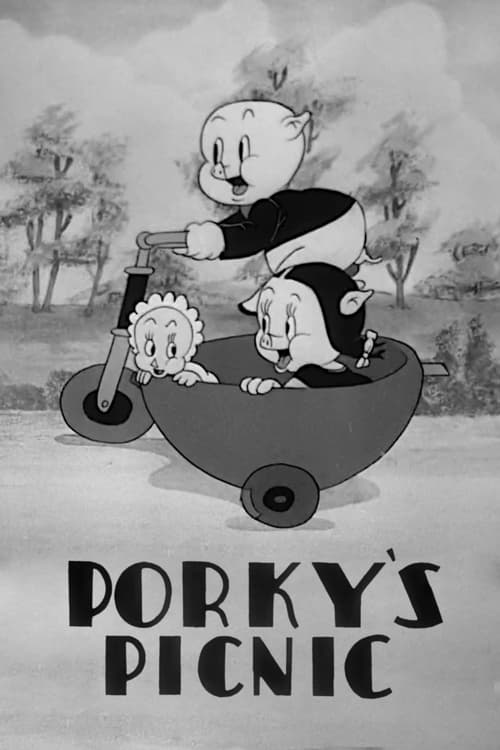
Porky's Picnic
1939
No user ratings available yet
Representation score: 0.4 out of 10
Representation Score
Minimal
1940
Director
Robert Clampett
Runtime
7 minutes
Average Rating
No ratings yetNew Showbiz Analysis
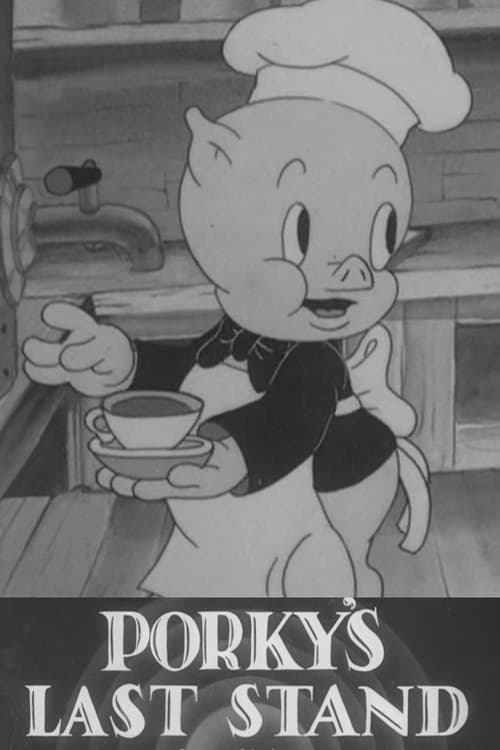
Porky's Last Stand is a product of its time, relying heavily on the standard comedic clichés of the Golden Age of animation. The narrative is driven by slapstick chaos and resource-based conflict between Porky and Daffy, offering little in the way of social complexity. The film lacks meaningful representation across most categories, with an exclusively male-coded environment, no human racial diversity, and no LGBTQ+ themes. It focuses solely on the physical comedy of the anthropomorphic protagonists. While the anarchic energy of Robert Clampett's direction provides visual entertainment, the work does not attempt to disrupt social hierarchies or provide layered representation.
Category Breakdown
The film focuses on comedic interactions between anthropomorphic animals. There are no depictions of LGBTQ+ identities or same-sex relationships within this straight-focused framework.
The story centers on two male-coded characters, with no female characters present. The protagonists' chaotic behavior is driven by slapstick comedy rather than challenging gender norms.
The characters are anthropomorphic animals, so there is no depiction of human racial or ethnic diversity. The setting reflects a homogeneous, Western-centric comedic landscape typical of the 1940s.
The plot revolves around a traditional capitalist setting, specifically a diner. While the destruction of the diner offers a minor disruption of order, it does not delve into deeper institutional critiques.
No characters are shown with visible or invisible disabilities. Porky's acrobatic movements are presented as comedic physical feats rather than representations of impairment or neurodivergence.
Present on Screen
Limited or Absent
Official Synopsis
Porky and Daffy run a diner. The eggs come from chickens kept on the premises. A customer orders a hamburger, and Daffy discovers the mice have gotten to the meat first and left a note. He spots a calf outside and goes after it but ends up having to fight off a large bull. Meanwhile, Porky is preparing an order of two eggs, but one of them is actually a baby chick, who runs away. Daffy manages to sic the bull on Porky, who does some acrobatics to escape until Daffy lures the bull back to him. The bull finally crashes into the diner.
1939
1939
1939
1936
1940
1938
1936
1939
No reviews yet. Be the first to share your thoughts on this movie!
Use the rating form above to leave a star rating and optional review.