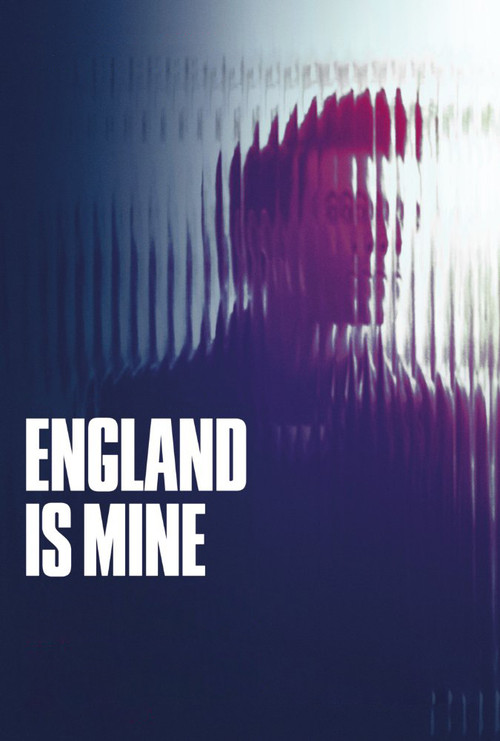
England Is Mine
2017
No user ratings available yet
Representation score: 3.4 out of 10
Representation Score
Fair
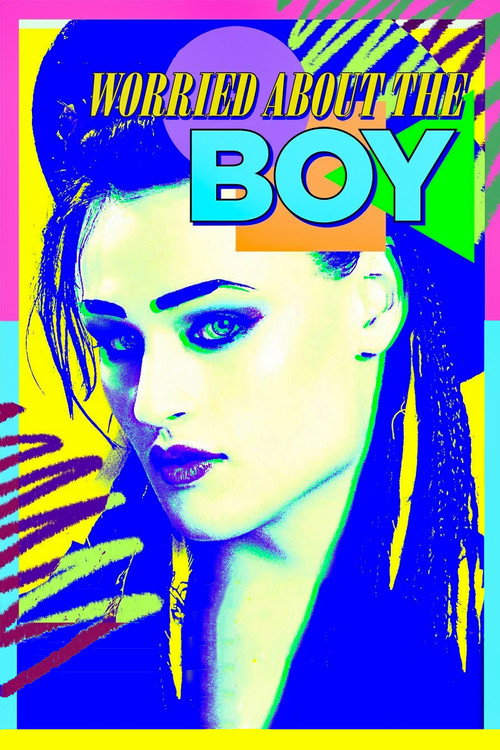
2010
Not RatedDirector
Julian Jarrold
Runtime
90 minutes
Average Rating
No ratings yetNew Showbiz Analysis
The film excels in portraying queer individuals' ability to make their own choices and challenges traditional gender roles. It offers a nuanced exploration of intimacy and identity within a specific historical context, making it a strong character study of non-conformity. However, the narrative is confined to its historical setting. The focus on the 1980s London pop scene limits racial diversity, as the depicted social circles reflect the era's specific demographics. Overall, the film presents a progressive view of identity politics. It effectively critiques assumptions about straight relationships and institutional power, even if it lacks diversity in other areas.
Category Breakdown
The film focuses on queer identity and non-traditional gender expressions. It supports gender fluidity through George's interest in makeup and his relationship with Peter. The Blitz Club is shown as a safe space for queer expression.
The movie challenges traditional gender roles. By rejecting conventional masculinity through feminine attire, the protagonist breaks down rigid gender binaries. Masculinity is portrayed as a spectrum that includes vulnerability and stylistic experimentation.
The story is set in the specific 1980s London club scene. The main characters and social circles reflect the demographics of that time. There is no indication of significant racial mixing.
The film examines the breakdown of traditional social structures and Western respectability. It portrays the tabloid press as a predatory force. The protagonist's addiction is seen as a result of fame and systemic pressures.
There is no information available regarding the depiction of physical or neurodivergent disabilities in this work.
Present on Screen
Limited or Absent
Official Synopsis
In 1980 young George O'Dowd baffles his parents with his love of frocks and make-up and moves into a squat with kindred spirit Peter, who dresses as Marilyn Monroe and calls himself Marilyn. They make a splash at Steve Strange's trendy Blitz Club where George gets a job in the cloakroom but George is unlucky in his relationships with men until he meets wannabe musician Kirk. Through Kirk George meets the handsome drummer Jon Moss, on whom he develops a crush, but sacked by the Blitz and spurned by Kirk, George turns to Sex Pistols' manager Malcolm McLaren to further his music career. George's spell with McLaren's group Bow Wow Wow is short but fan Mikey North is impressed and asks George to sing in a group he is forming, where George again meets Jon. They will have an affair and the group will become the very successful Culture Club. Four years later, however, hounded by the tabloid press amid stories of his drug addiction, an unhappy George turns to Jon for advice on his future.
2017
2012
1980
1994
2010
1986
2008
2011
No reviews yet. Be the first to share your thoughts on this movie!
Use the rating form above to leave a star rating and optional review.