
Summer
2008
No user ratings available yet
Representation score: 5.5 out of 10
Representation Score
Fair
2008
Not RatedDirector
Sam Taylor-Johnson
Runtime
15 minutes
Average Rating
No ratings yetNew Showbiz Analysis
Love You More stands out as a significant piece of queer cinema that builds its entire world around non-straight-centered perspectives. By centering a lesbian romance, the film moves beyond mere inclusion to make queer intimacy the core of its dramatic structure. While the film excels in gender subversion and LGBTQ+ centering, it appears more homogeneous in its racial depiction. The focus on a specific 1978 London subculture lacks documented evidence of significant diversity. Ultimately, the film's strength lies in its commitment to emotional authenticity and the exploration of identity through a secular, individualistic lens.
Category Breakdown
The film centers a lesbian relationship as its primary narrative driver. It avoids treating queer attraction as a subplot, instead placing non-traditional gender relationships at the heart of the story.
The story disrupts traditional hierarchies by focusing on women's ability to drive the story and their emotional autonomy. It prioritizes the interior lives and professional aspirations of women over the typical male gaze.
The setting in 1978 London suggests a localized social milieu. There is little evidence of significant diversity in terms of race or ethnicity within this specific subculture.
The narrative favors secularism and personal truth over rigid religious frameworks. It explores identity as a fluid, lived experience tied to a specific musical subculture.
The film does not feature neurodivergence or physical disabilities as central elements of the character development or narrative arc.
Present on Screen
Limited or Absent
Official Synopsis
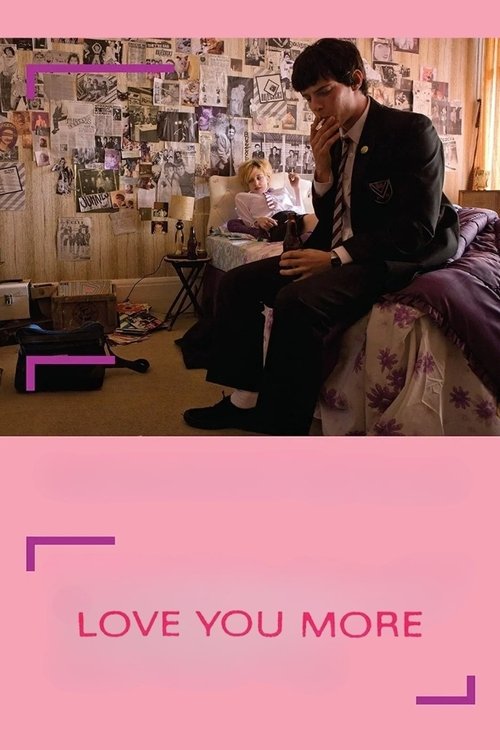
Two teenagers are drawn together by the Buzzcocks' single 'Love You More' during the summer of 1978.
2008

2011

2008

1999

2001

1994

2011

2008
No reviews yet. Be the first to share your thoughts on this movie!
Use the rating form above to leave a star rating and optional review.