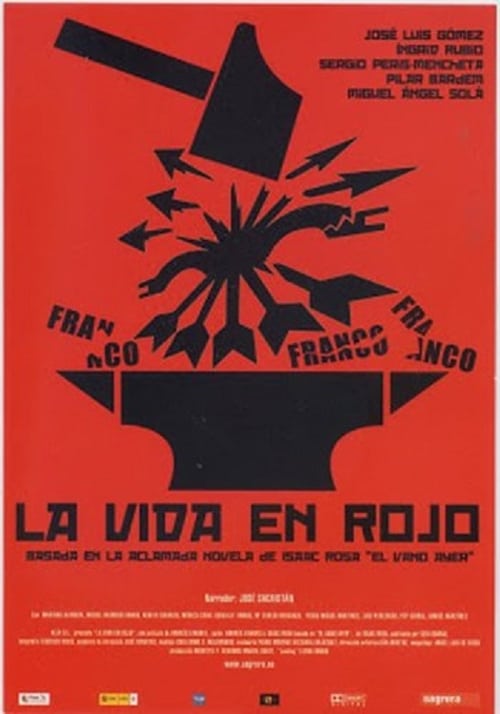
La vida en rojo
2008
No user ratings available yet
Representation score: 6.9 out of 10
Representation Score
Good
2005
Director
Santiago Tabernero
Runtime
90 minutes
Average Rating
No ratings yetNew Showbiz Analysis
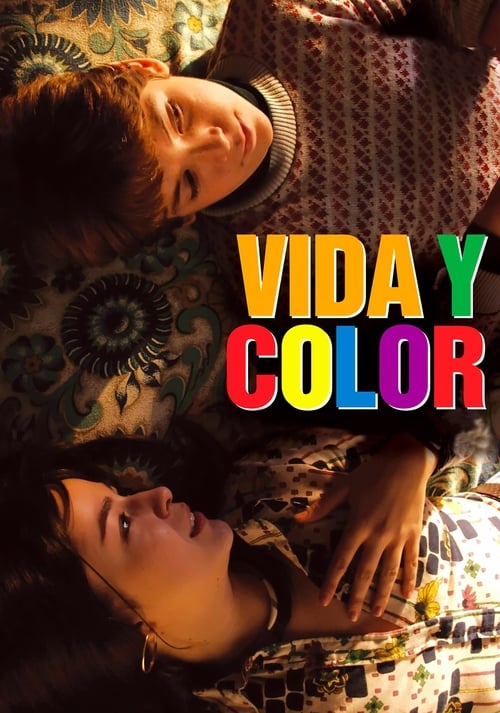
Vida y color is a gritty period drama that uses the end of the Franco dictatorship to explore the cracks in Spanish social hierarchies. It avoids idealizing mid-century life, instead focusing on the darker realities of power and trauma in rural communities. The film effectively uses specific characters to critique systemic issues, such as gendered expectations and the vulnerability of disabled individuals. However, its scope is limited by the historical context, reflecting the homogeneity of 1970s rural Spain and lacking broader multi-layered diversity.
Category Breakdown
The film doesn't include explicit representations of LGBTQ+ characters, which is likely due to the conservative environment of 1975 Spain.
The story challenges traditional views of femininity through Begoña, who questions her upcoming marriage. This highlights the importance of women's roles and choices.
Set in a rural Spanish village, the film focuses on social class differences rather than racial diversity. It explores how different social statuses affect people's lives.
The narrative examines the impact of patriarchal family structures during the collapse of the dictatorship. It highlights the trauma within families and the instability of the domestic sphere.
Ramona, a character with Down syndrome, plays a central role in the story. Her character brings attention to the vulnerability of neurodivergent individuals in oppressive environments.
Present on Screen
Limited or Absent
2008
2001
2000
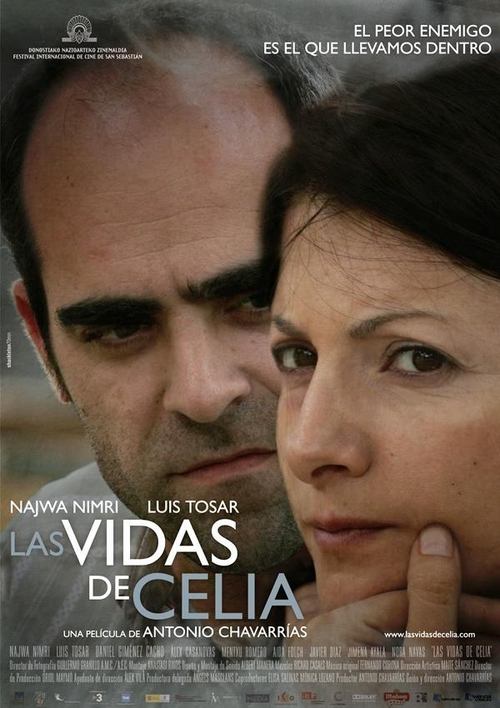
2006
2005
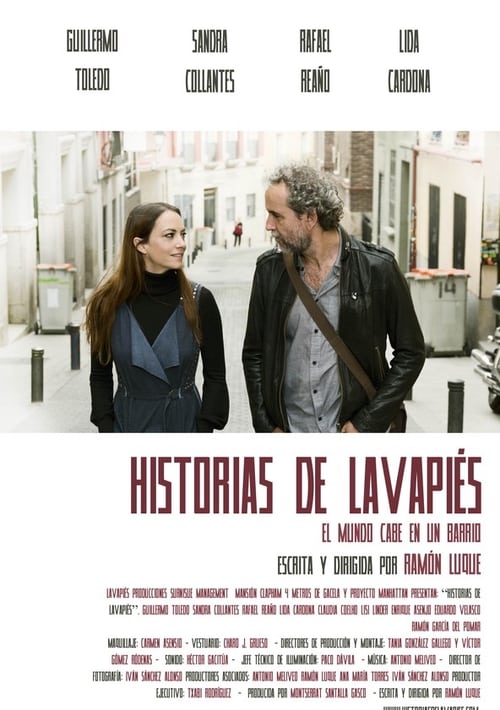
2015
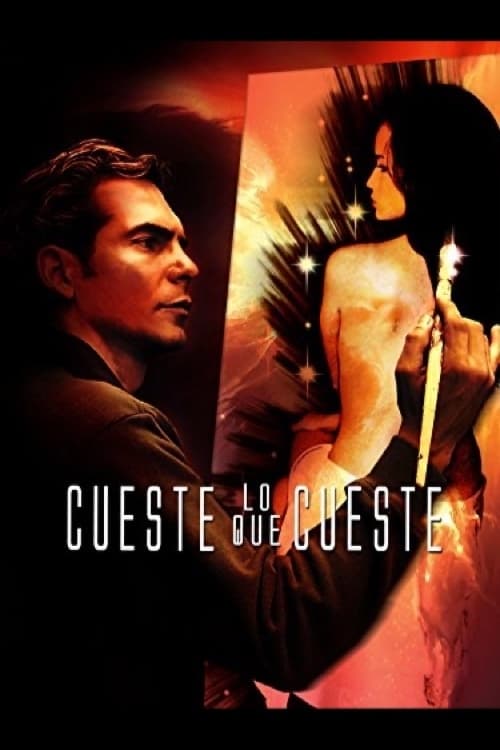
2008
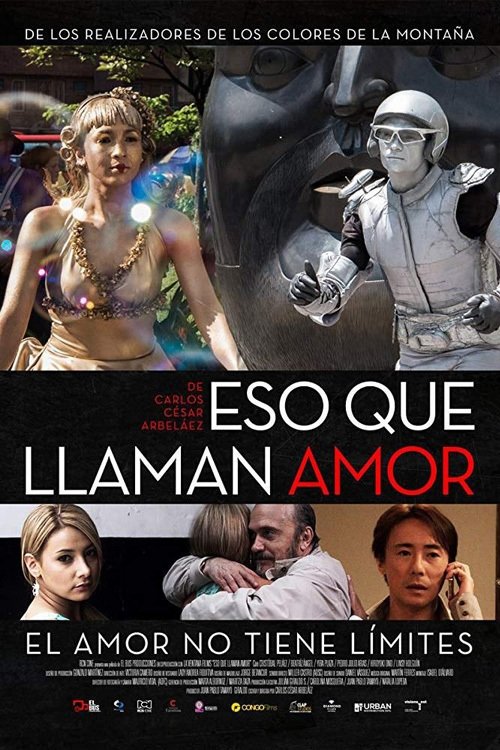
2015
No reviews yet. Be the first to share your thoughts on this movie!
Use the rating form above to leave a star rating and optional review.