
Deep Water
1981
No user ratings available yet
Representation score: 5.7 out of 10
Representation Score
Fair
1982
Director
Pasquale Festa Campanile
Runtime
113 minutes
Average Rating
No ratings yetNew Showbiz Analysis
The film challenges traditional social norms by depicting non-monogamous relationships and providing a female lead with significant autonomy. However, it lacks demographic diversity and depth in exploring identity. The cast is homogeneous, and mental health issues are used mainly to drive the plot's tension. The work remains a localized psychological study without engaging broader systemic critiques.
Category Breakdown
The film touches on non-traditional relationships through an open relationship between the main character and his partner. However, it focuses on heterosexual dynamics without prominently featuring LGBTQ+ identities.
Ornella Muti’s character plays a significant role in driving the psychological tension. However, the narrative risks falling into the 'hysterical woman' cliché by focusing on her perceived insanity.
The cast is predominantly made up of individuals from similar backgrounds, lacking significant racial diversity. There are no non-white characters in roles of high ability to act.
The story centers on individual psychological truth rather than traditional religious or social morality. It remains a localized character study without addressing broader systemic power dynamics.
Mental health is introduced as a plot device, suggesting that the lover may be insane. This serves primarily to heighten the tension rather than offering a nuanced exploration of neurodivergence.
Present on Screen
Limited or Absent
Official Synopsis
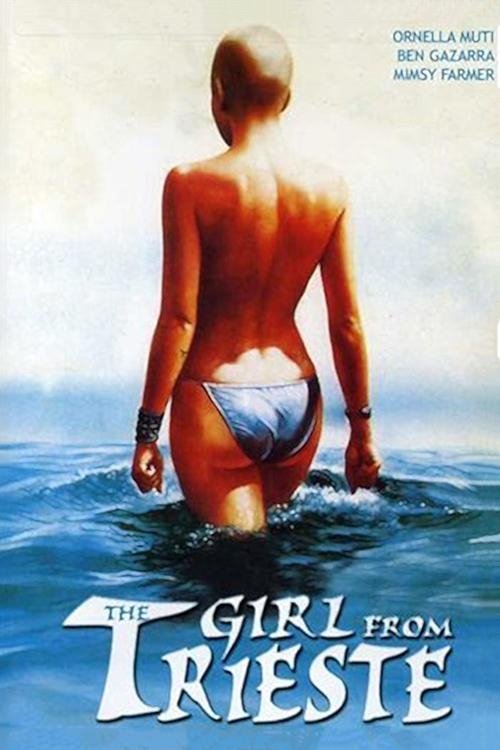
A middle-aged artist (Ben Gazarra) sketching on the beach witnesses a young woman (Ornella Muti) being rescued from drowning. He loans her a blanket. Later she returns the blanket and they have sex several times, but she always leaves right afterward, leaving the man to wonder who she is and where she goes. Things become more complicated as he begins to fall in love with her, and after his regular girlfriend (Mimsy Farmer), with whom he has a curiously open relationship, returns. He eventually begins to realize his mysterious new lover may be very much insane.
1981

1969
1974
1980

2003

1962
1988

1990
No reviews yet. Be the first to share your thoughts on this movie!
Use the rating form above to leave a star rating and optional review.