Underdog: Part One
2020
No user ratings available yet
Representation score: 2.9 out of 10
Representation Score
Excellent
1977
Director
Shūji Terayama
Runtime
94 minutes
Average Rating
No ratings yetNew Showbiz Analysis
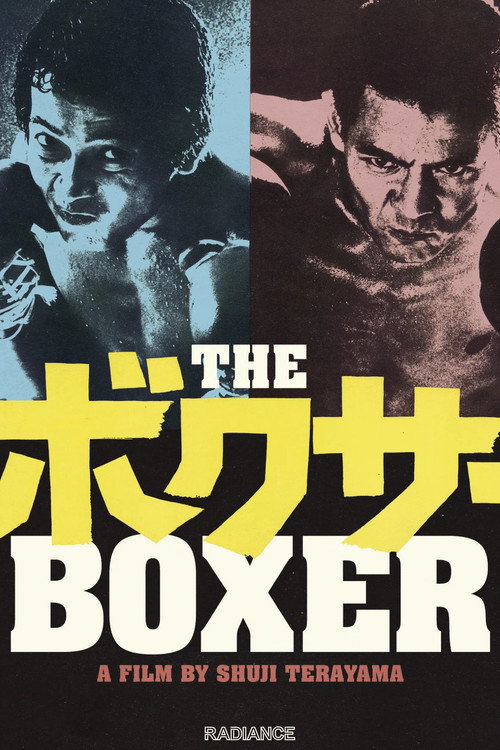
Shūji Terayama’s *Boxer* is an avant-garde exploration of identity that replaces the typical sports drama with surreal imagery. It dismantles the 'hero's journey' by presenting the protagonist's professional and domestic failures as acts of liberation. The film’s strength lies in its critique of social hierarchies and the performance of masculinity. By focusing on a man who chooses to be 'knocked down' and abandon his career, it challenges the need for societal conformity. However, the film does not explicitly address physical or neurodivergent disabilities. Its focus remains on internal psychological states and the rejection of institutional structures rather than diverse social identities.
Category Breakdown
The film hints at a departure from typical heterosexual paths through the protagonist's choice to live alone and away from conventional society. Though there are no explicit depictions of queer relationships, the story challenges traditional social roles.
Hayato resists the typical male provider role and the stereotype of the disciplined athlete. His choice to isolate himself instead of maintaining a stable home life disrupts the usual expectations of masculine behavior and success.
This Japanese film focuses on inner emotional and psychological states rather than external racial conflicts. The stylized, experimental setting highlights universal human experiences rather than specific cultural backgrounds.
The story questions traditional social stability by showing a rejection of the family unit and capitalist career success. It emphasizes personal morality and a preference for solitary, underrepresented lifestyles.
There is no direct portrayal of physical or neurodivergent disabilities. However, the surreal style might represent a psychological exploration of mental instability and fragmented identity.
Present on Screen
Limited or Absent
Official Synopsis
In the midst of a match, Hayato, a successful boxer, has had enough of the sport. He lets himself get knocked out, and quits boxing, leaving his wife and living alone with his mangy dog. One day a young mediocre boxer knocks at the door and wants to be Hayato's apprentice.
2020
1997
1985

1943

1983

1963

2016

1979
No reviews yet. Be the first to share your thoughts on this movie!
Use the rating form above to leave a star rating and optional review.