The Butcher Boy
1998
No user ratings available yet
Representation score: 6.2 out of 10
Representation Score
Good
2006
RDirector
Ryan Murphy
Runtime
122 minutes
Average Rating
No ratings yetNew Showbiz Analysis
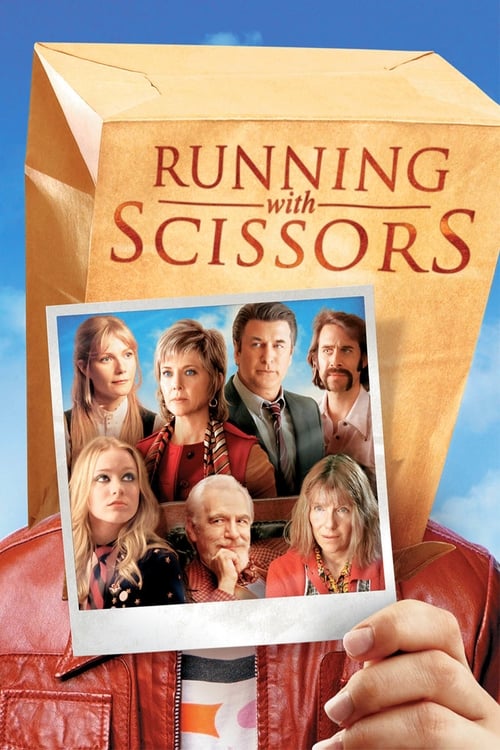
Running with Scissors successfully deconstructs the social norms of the 1950s, prioritizing individual freedom over traditional family stability. It effectively challenges gendered power dynamics and conventional domesticity through its unconventional characters. However, the film remains limited by its lack of racial diversity. The narrative is confined to a homogeneous, white, upper-class social circle, which restricts a broader exploration of diverse identities. Ultimately, the film is a study in moral relativism. It focuses on a deep critique of established social authority and rigid Western norms, rather than providing a broad historical context.
Category Breakdown
The film challenges traditional expectations by focusing on a domestic unit that exists outside of typical social norms. It uses non-traditional relationships and unconventional living arrangements as a key perspective.
The narrative significantly challenges the gender roles of the 1950s. Through the character of Mrs. Charlotte, the film presents a model of femininity that rejects submissive, domestic roles in favor of eccentric independence.
The setting and social circle are depicted as a largely homogeneous, white, upper-class environment. The narrative lacks diverse casting to break away from the historical norm.
The film portrays unconventional lifestyles as liberating alternatives to restrictive, traditional morality. It highlights personal experiences over rigid, institutionalized ethics and conventional parenting.
Themes of psychological instability and unconventional mental states are explored through the lens of eccentricity. Neurodivergent behaviors contribute to character complexity.
Present on Screen
Limited or Absent
Official Synopsis
Young Augusten Burroughs absorbs experiences that could make for a shocking memoir: the son of an alcoholic father and an unstable mother, he's handed off to his mother's therapist, Dr. Finch, and spends his adolescent years as a member of Finch's bizarre extended family.
1998
2004

2014

1998
2002

2015
1996
2005
No reviews yet. Be the first to share your thoughts on this movie!
Use the rating form above to leave a star rating and optional review.