Poltergeist
2015
No user ratings available yet
Representation score: 2.0 out of 10
Representation Score
Limited
2016
PG-13Director
Mike Flanagan
Runtime
99 minutes
Average Rating
No ratings yetNew Showbiz Analysis
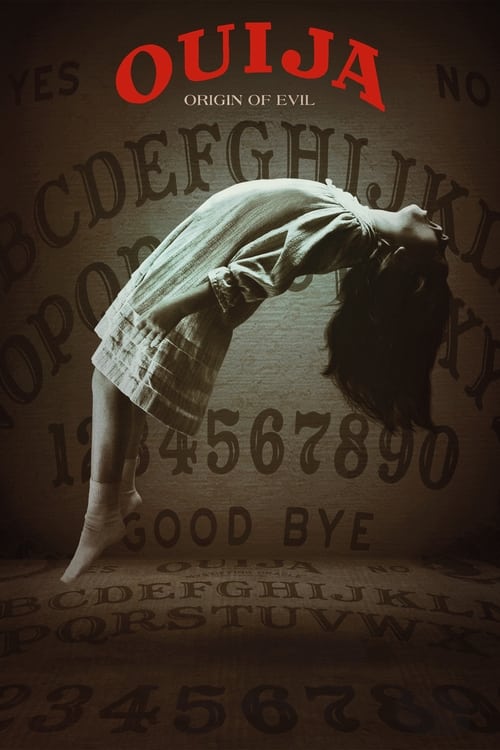
Ouija: Origin of Evil is a period horror film that prioritizes familial grief and supernatural tension over social complexity. It centers women's ability to drive the story within a domestic setting, avoiding traditional male-led protector narratives. However, the film remains demographically narrow. The cast is almost entirely homogeneous, and the narrative does not engage with the diverse social realities of 1960s Los Angeles. Supernatural possession is used as a plot device rather than a nuanced exploration of disability. Ultimately, the film functions as a conventional genre piece. It focuses on individual survival and the breakdown of the family unit rather than challenging cultural or systemic hierarchies.
Category Breakdown
The film does not include any LGBTQ+ characters or explore queer identity. The 1967 setting is portrayed through a traditional lens without mentioning sexual orientation.
The story centers on a strong bond between a mother and her daughters. While it avoids male-led protector clichés, it maintains traditional domestic roles.
The story focuses on a homogeneous white, middle-class family. Characters of color or multi-ethnic backgrounds are notably absent from the 1960s setting.
The film explores supernatural conflict through a binary lens of innocence versus malevolence. It avoids systemic critiques of religion or capitalism, focusing instead on familial survival.
Supernatural possession is used to drive the plot, causing physical and psychological disturbances. This serves as a horror device rather than a nuanced portrayal of disability.
Present on Screen
Limited or Absent
Official Synopsis
In 1967 Los Angeles, a widowed mother and her two daughters add a new stunt to bolster their séance scam business and unwittingly invite authentic evil into their home. When the youngest daughter is overtaken by the merciless spirit, this small family confronts unthinkable fears to save her and send her possessor back to the other side.
2015
1979
2017
2020
2014
2015
2014
2002
No reviews yet. Be the first to share your thoughts on this movie!
Use the rating form above to leave a star rating and optional review.