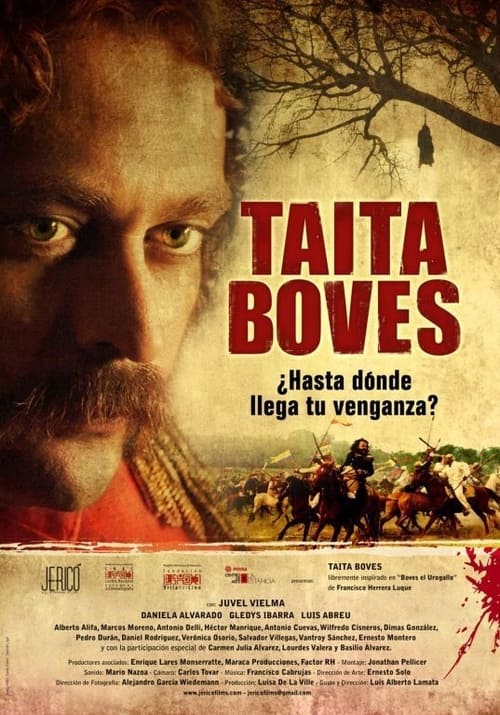
Taita Boves
2010
No user ratings available yet
Representation score: 5.2 out of 10

Representation Score
Fair
2013
Director
Luis Alberto Lamata
Runtime
0 minutes
Average Rating
No ratings yetNew Showbiz Analysis
Bolívar: el hombre de las dificultades is a film that shines in its depiction of the multi-ethnic coalition essential for South American independence. By highlighting Mestizo, Indigenous, and Afro-descendant characters, the film corrects traditional historical narratives that often overlook non-European actors. However, the narrative remains tied to the social hierarchies of the early 19th century, with a strong focus on male-dominated military command and political maneuvering. This limits the roles of female characters, who are largely confined to traditional historical roles. Despite this, the film successfully critiques Western imperial dominance and highlights the socioeconomic divides of the era, even though it lacks representation for LGBTQ+ identities and characters with disabilities.
Category Breakdown
The film focuses on military and political maneuvers during the South American wars of independence. There are no visible LGBTQ+ characters or representations that challenge the assumption that everyone is straight or cisgender.
The narrative centers around male-dominated military and political spheres. Women appear within the historical social fabric but mostly function within traditional roles of the time.
The film excels by depicting the multi-ethnic reality of the revolutionary landscape. It includes Mestizo, Indigenous, and Afro-descendant populations, disrupting the 'Great Man' clichés of history.
The story serves as a post-colonial critique of Western imperial dominance. Religious institutions are shown within the context of colonial control rather than as a singular moral authority.
There is no significant portrayal of characters with disabilities having ability to act. The hardships of war are treated as universal symptoms of conflict rather than specific explorations of disability.
Present on Screen
Limited or Absent
Official Synopsis
The Second Republic has fallen miserably. Simon Bolivar arrives to Jamaica without money or friends, seeking help from other nations to free Venezuela.
2010
2013

1969
1969
2016

2008

2006

1986
No reviews yet. Be the first to share your thoughts on this movie!
Use the rating form above to leave a star rating and optional review.