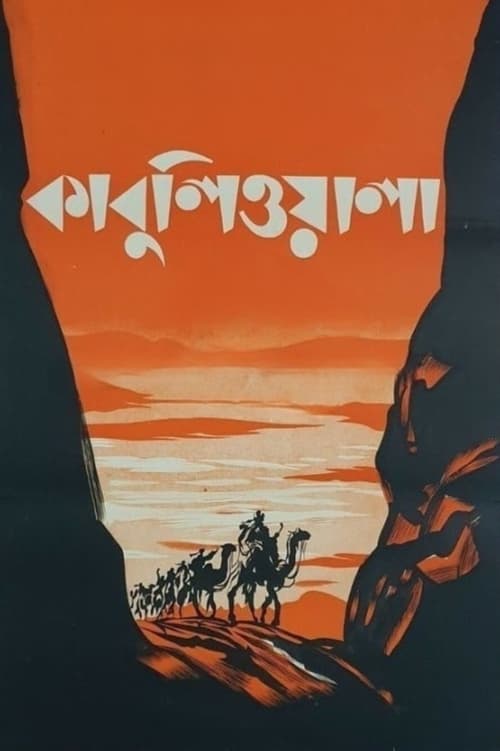
Kabuliwala
1957
No user ratings available yet
Representation score: 3.5 out of 10
Representation Score
Fair
2018
Director
Deb Medhekar
Runtime
95 minutes
Average Rating
No ratings yetNew Showbiz Analysis
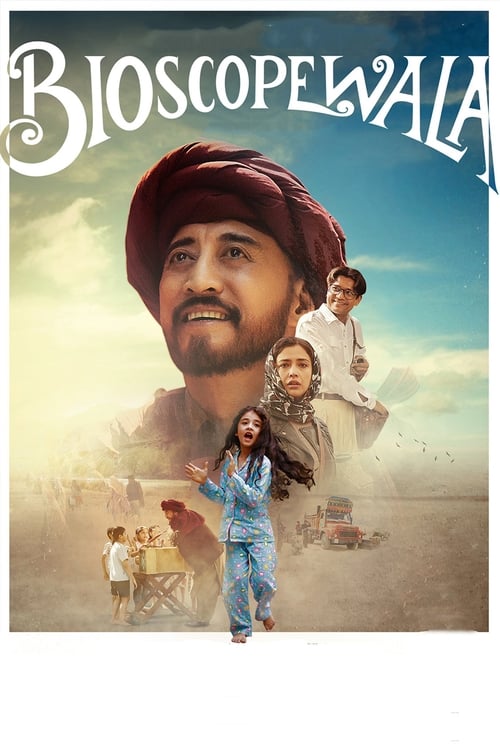
Bioscopewala is a character-driven drama that finds its strength in humanistic storytelling and literary heritage. By adapting Tagore’s work, the film prioritizes complex interpersonal bonds and the nuances of memory over blockbuster clichés. The film succeeds in its portrayal of ethnic and regional identity, using cultural distinctions to add depth to the characters. It effectively explores the 'outsider' figure and the transient nature of human connection. However, the film lacks representation for LGBTQ+ identities and disability. While it challenges patriarchal structures through its female lead, the narrative remains centered on traditional familial and cross-cultural themes.
Category Breakdown
The film does not explicitly depict LGBTQ+ identities or dynamics outside of traditional heterosexual relationships. It focuses on platonic and familial connections.
A young female protagonist drives the story through her curiosity and active role. This shifts the focus towards the female experience of memory, challenging traditional male-centric storytelling.
The film excels by exploring the intersection of diverse ethnic identities. It portrays the relationship between local characters and the Kabuliwala as a nuanced study of cultural depth, avoiding caricatures.
The story engages with themes of displacement and belonging. It offers a subjective exploration of grief and friendship, avoiding a monolithic moral lens.
There is no evidence of characters with physical or neurodivergent disabilities within the narrative.
Present on Screen
Limited or Absent
Official Synopsis
Based on Rabindranath Tagore’s famous short story 'Kabuliwala', the film is about a young girl’s quest to discover more about her dead father’s friend who used to play bioscope shows for her as a kid.
1957
2004

1994
2005

2019

2005

2022
2005
No reviews yet. Be the first to share your thoughts on this movie!
Use the rating form above to leave a star rating and optional review.