
The Young Avenger
1972
No user ratings available yet
Diversity score: 6.3 out of 10
1970
Director
Griffin Yueh Feng
Runtime
78 minutes
Average Rating
No ratings yetSynopsis
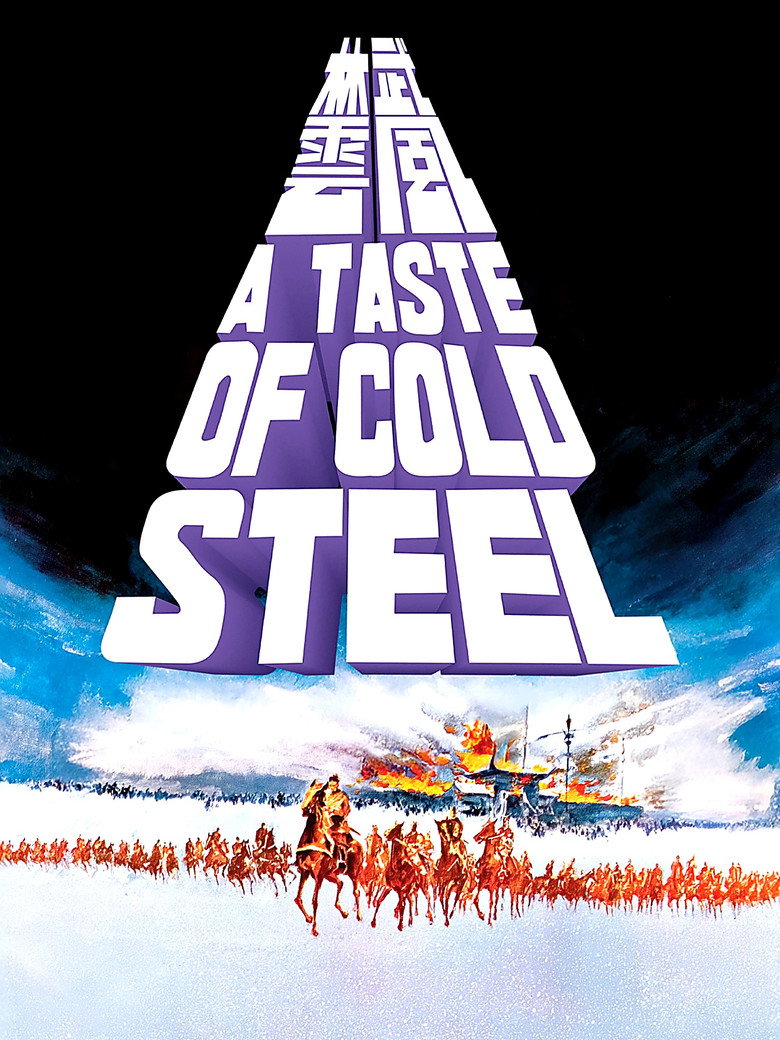
It's a no-holds-barred battle to the death for possession of the invaluable Purple Sword. Assistant director Wang Po-yi also wrote this entertaining and exciting adventure which could have also been called "The Five Tigers" since there's no doubt that this quintet is the highlight of the action. Huang Tsung-shun is "Fierce Tiger," Hung Liu is "Drunk Tiger," Hsu Erh-niu is "Lame Tiger," award-winning actor Ku Feng is "One-eyed Tiger" and respected director/actor Wu Ma is "Sick Tiger" in a tangle of tussles and thrills
Overall Score
Fair
Category Breakdown
LGBTQ+ Representation
The film lacks evidence of non-cisnormative identities or same-sex intimacy. It follows the traditional heteronormative structures common to 1970s action cinema.
Gender Representation
The narrative centers on a quintet of male protagonists known as the Five Tigers. This focus reinforces traditional masculine archetypes and physical prowess over female agency.
Racial & Ethnic Diversity
An all-Asian cast provides a non-Western-centric narrative. While it offers a localized cultural aesthetic, the ethnic framework remains largely homogeneous.
Religious & Cultural Diversity
The story adheres to traditional Wuxia morality and honor codes. It functions as a classic adventure narrative centered on the pursuit of the Purple Sword.
Disability Representation
Characters like 'Lame Tiger' and 'Sick Tiger' incorporate physical impairments into their identities. These traits may serve as combat identifiers or character archetypes.
Strengths
Areas for Improvement
AI Analysis
A Taste of Cold Steel is a quintessential Shaw Brothers-era martial arts film that prioritizes genre tropes over social complexity. The narrative is driven by a group of five male archetypes, emphasizing masculine leadership and physical combat. While the film provides a non-Western perspective through its all-Asian cast, it remains within a homogeneous ethnic framework. The inclusion of characters with physical disabilities offers a unique layer of representation for the era, though these traits appear tied to specific combat identities. Ultimately, the film serves as a traditionalist adventure. It lacks the intersectional depth or subversion of social hierarchies necessary to move beyond its foundational genre roots.
1972
1970
1982
1979
1982

1976
1982
1978
1976
1977
1976
1981
No reviews yet. Be the first to share your thoughts on this movie!
Use the rating form above to leave a star rating and optional review.