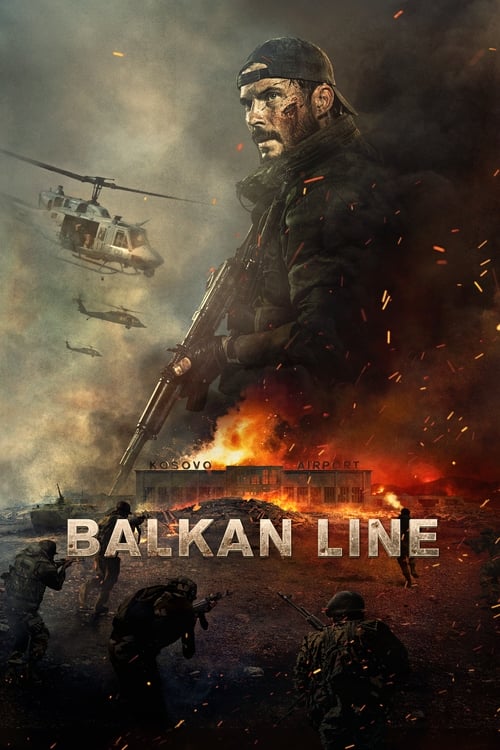
Balkan Line
2019
No user ratings available yet
Representation score: 1.5 out of 10
Representation Score
Fair
2011
Director
Sergey Makhovikov
Runtime
90 minutes
Average Rating
No ratings yetNew Showbiz Analysis
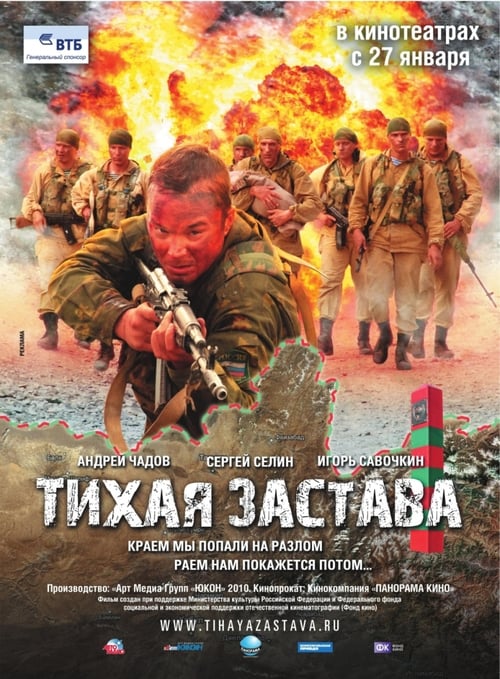
A Quiet Outpost is a genre-driven geopolitical drama that prioritizes the mechanics of border conflict over social deconstruction. While the setting provides inherent ethnic complexity through its multi-national cast, the film does not actively challenge traditional social norms. The production centers on the friction between Russian, Tajik, and Afghan identities. However, these diverse backgrounds are utilized primarily to drive the territorial struggle rather than to offer nuanced character studies. Ultimately, the film follows the conventions of regional war cinema. It lacks intentionality regarding gender hierarchies, LGBTQ+ representation, or the meaningful inclusion of underrepresented identities.
Category Breakdown
The film does not include explicit LGBTQ+ characters or narratives. It maintains a neutral stance typical of regional war dramas, where such identities are often omitted from the central conflict.
The narrative emphasizes traditional masculine hierarchies common to the war genre. Female characters are likely relegated to passive roles or omitted entirely from the primary tactical combat.
The story showcases a multi-ethnic cast involving Russian, Tajik, and Afghan identities. While this adds to the ethnic complexity, the representation is tied to geopolitical roles rather than deep multi-layered nuance.
The film explores territorial sovereignty through a lens of regional power structures. It adheres to the localized political realities of the Tajikistan-Afghanistan border without a clear secularist framework.
Physical injury appears as a standard plot device within the war setting. There is no evidence of disability being used to provide character's ability to drive the story or explore neurodivergence.
Present on Screen
Limited or Absent
Official Synopsis
On the edge of Dushanbe, in the Republic of Tajikistan, a quiet border checkpoint under Russian control is attacked by Afghans and Tajiks who want it under their control.
2019

2011
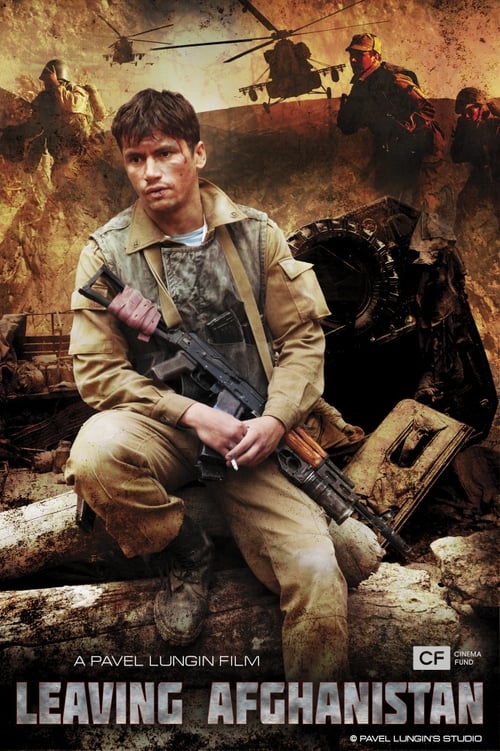
2019
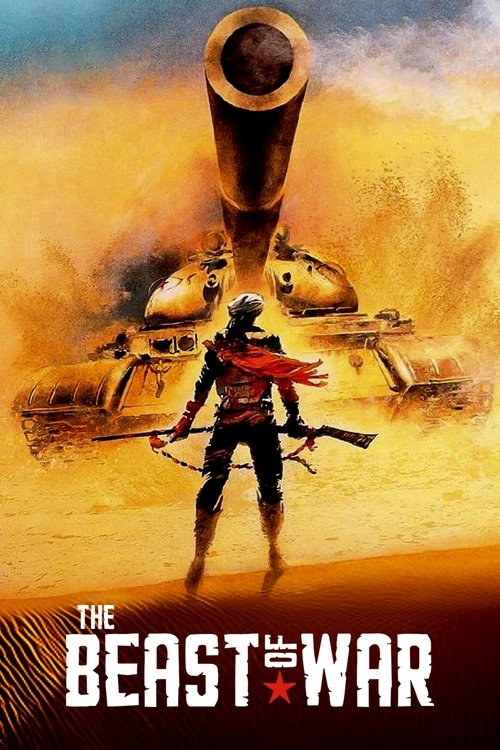
1988
2008

2017
1991

2025
No reviews yet. Be the first to share your thoughts on this movie!
Use the rating form above to leave a star rating and optional review.