
The Front Line
2011
No user ratings available yet
Diversity score: 4.4 out of 10
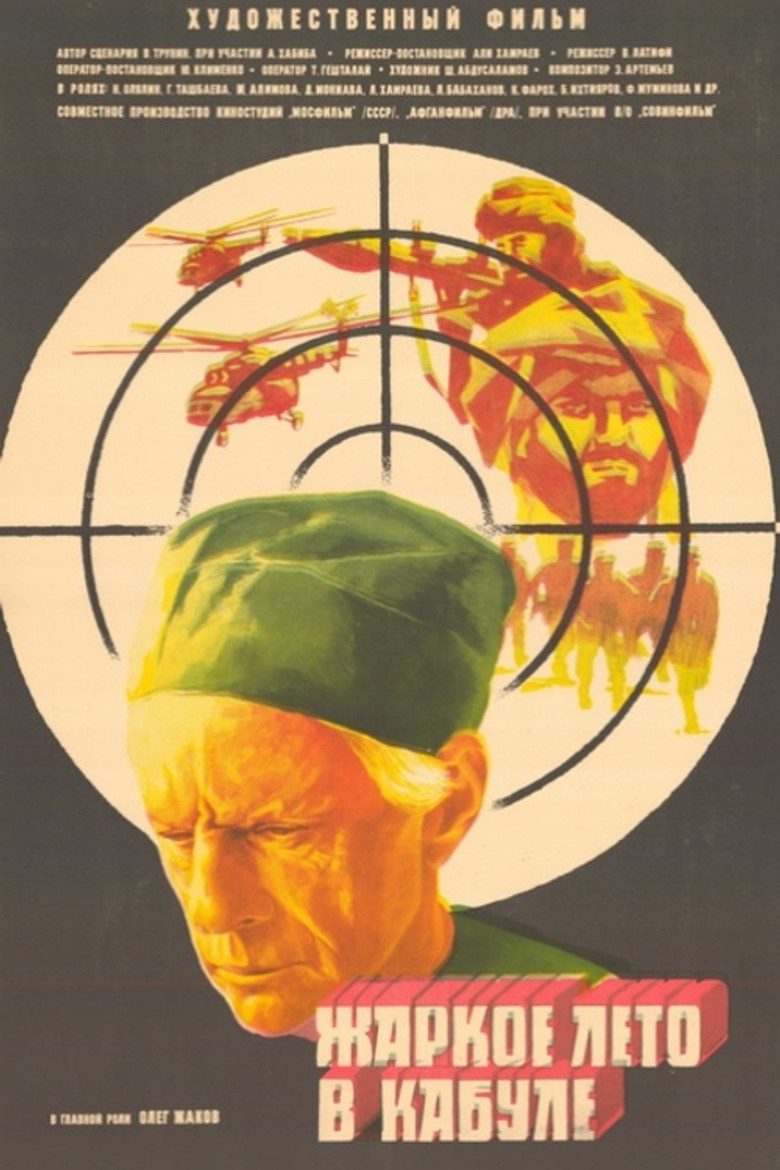
1983
Director
Ali Khamraev
Runtime
87 minutes
Average Rating
No ratings yetSynopsis
A Russian doctor is invited to work at Afghanistan's top hospital during the war, and sees firsthand the carnage caused by the Islamist mujaheddin as they attempt to overthrow the socialist government.
Overall Score
Fair
Category Breakdown
LGBTQ+ Representation
The film lacks evidence of LGBTQ+ characters or non-cisnormative identities. The narrative focuses on the clinical and humanitarian realities of war, which centers on heteronormative social structures.
Gender Representation
Agency is primarily centered on a male Russian doctor navigating a conflict zone. While women likely appear as civilian victims or family members, the professional roles are male-driven.
Racial & Ethnic Diversity
The film features high ethnic diversity by centering an Afghan setting and a multi-ethnic cast. It prioritizes a non-Western perspective, showcasing interactions between Soviet professionals and local populations.
Religious & Cultural Diversity
The story challenges Western-centric tropes by framing conflict through a secular/socialist lens. It critiques religious fundamentalism as a disruptive force to social stability and civilian life.
Disability Representation
The hospital setting ensures a constant presence of characters with physical trauma. However, these portrayals often serve the protagonist's medical journey rather than providing independent agency.
Strengths
Areas for Improvement
AI Analysis
Hot Summer in Kabul offers a significant departure from 1980s Hollywood standards by centering a non-Western, multi-ethnic environment. The film's strength lies in its ability to disrupt Anglo-Saxon-centric conflict narratives through its Afghan setting and Soviet-Afghan interactions. However, the film is constrained by the historical context of its era and genre. Representation is heavily skewed toward male-driven professional roles, and the depiction of disability is largely functional to the war-torn medical setting. Ultimately, the film provides a meaningful critique of religious extremism and emphasizes the humanitarian cost of war, even if its social representation remains traditional in terms of gender and sexuality.
2011
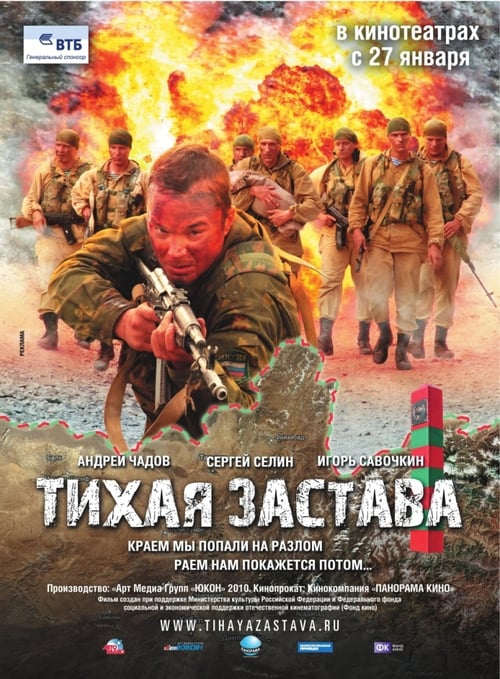
2011
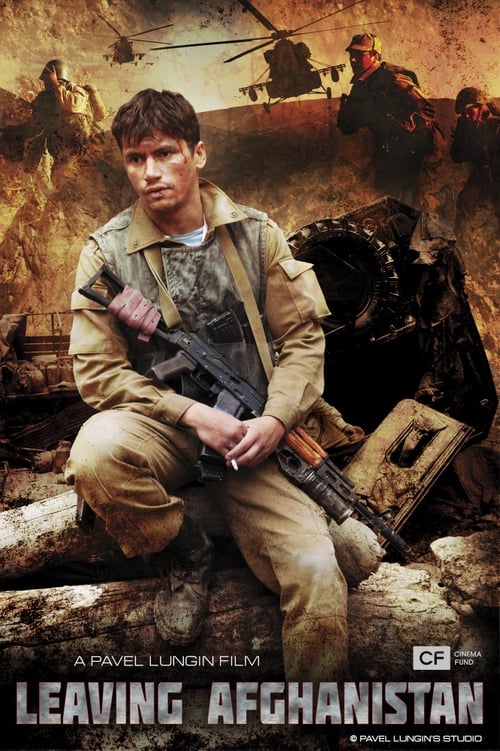
2019
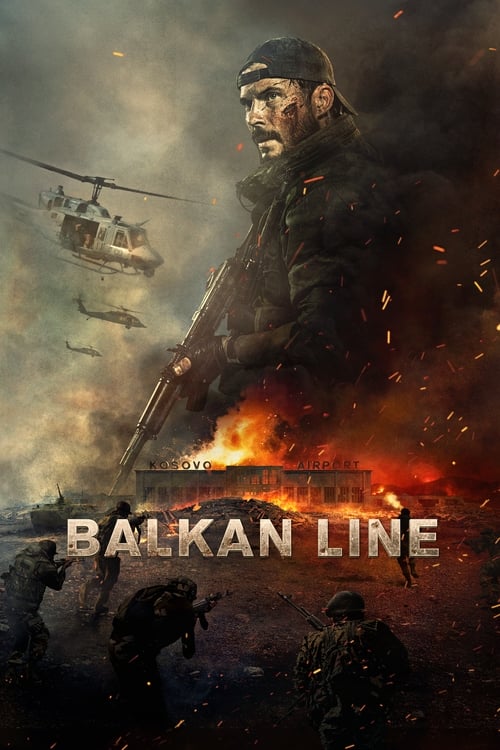
2019
No reviews yet. Be the first to share your thoughts on this movie!
Use the rating form above to leave a star rating and optional review.