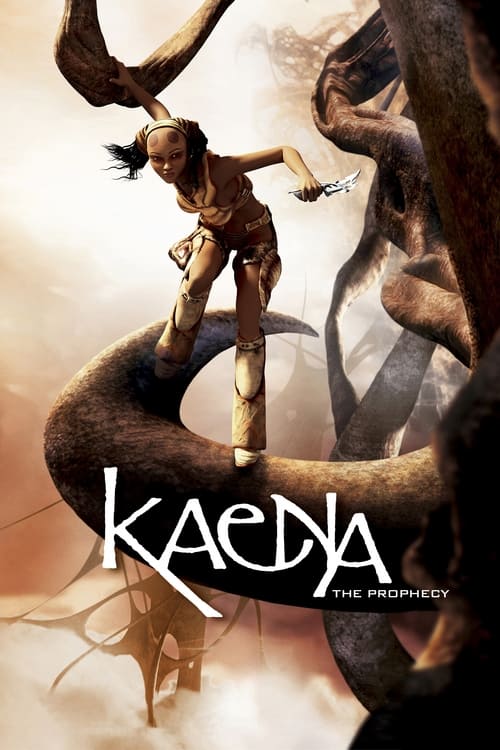
Kaena: The Prophecy
2003
No user ratings available yet
Representation score: 7.7 out of 10
No Poster Available
Representation Score
Good
1997
Director
Osamu Yamasaki
Runtime
60 minutes
Average Rating
No ratings yetNew Showbiz Analysis
Gestalt uses the high-fantasy genre to explore themes of reclaiming voice and power amid institutional oppression. By focusing on a character's journey to regain her voice and strength, the film offers a more nuanced view of identity. The world-building incorporates diverse non-human species and forbidden territories to symbolize ethnic and cultural differences. This approach critiques rigid social and religious structures through a fantastical setting. However, the film adheres to some traditional narrative structures, especially concerning LGBTQ+ representation and the initial setup of the central relationship. While it challenges gender stereotypes, it does not fully break from conventional story frameworks.
Category Breakdown
The film does not include explicit representations of same-sex relationships or non-binary identities. The bond between Oliver and Ohiri follows a traditional rescue scenario without challenging assumptions about straight relationships.
Ohiri shifts from a mute victim to a powerful sorceress, subverting the damsel-in-distress cliché. This transformation gives her significant magical power and central importance to the plot.
Fantasy elements such as dark elves and elementals symbolize ethnic diversity. The journey to a forbidden island highlights themes of otherness and cultures outside the Vasaria order.
The story examines the tension between strict religious rules and personal spiritual exploration. It contrasts the rigid Vasaria order with the magic and wonder found in forbidden lands.
Ohiri starts as a mute character, representing a communication disability. Her role as a silenced sorceress suggests her condition is linked to systemic oppression rather than just personal misfortune.
Present on Screen
Limited or Absent
Official Synopsis
Oliver is a young priest of that Vasaria order, and a devout servant of his church. He has grown up with legends of a god who dwells on G, a distant island so forbidden that even speaking its name brings certain damnation! When Oliver saves the mute girl Ohiri from slavery, their destinies become intertwined and they set out on a perilous journey to G. Actually a silenced sorceress from the forbidden island, Ohiri is involved in a deadly game of survival that brings her and Oliver face to face with treacherous dark elves, powerful elementals, and a quest filled with plot twists, magic, and wonder.
2003
1968

2015

2012
2014
1982
1995
2009
No reviews yet. Be the first to share your thoughts on this movie!
Use the rating form above to leave a star rating and optional review.